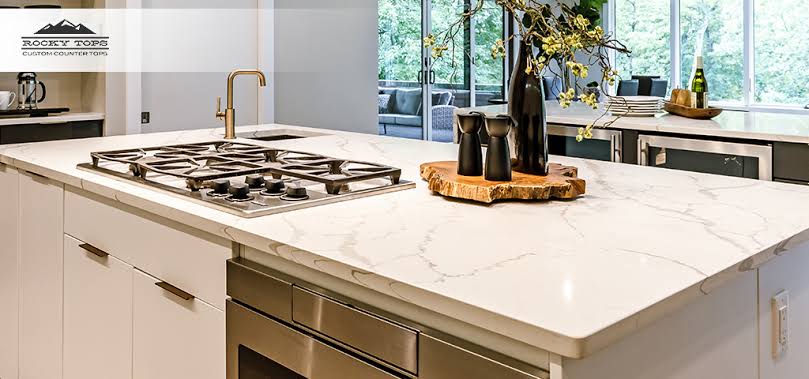

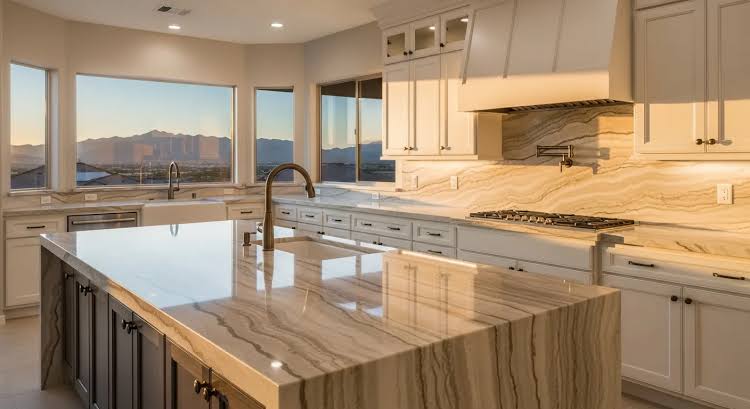
Choosing the right natural stone for kitchen countertops requires more than selecting an attractive colour or pattern. Quartzite, granite, marble, and engineered quartz can sometimes look remarkably similar, making identification challenging for homeowners and contractors. Understanding their differences helps buyers evaluate durability, maintenance requirements, and overall suitability before investing in countertop materials.
Natural quartzite is particularly popular because of its distinctive veining, crystalline appearance, and generally strong resistance to scratching. However, not every slab marketed as quartzite has identical geological properties. Knowing what to examine can help prevent costly purchasing mistakes.
What Is Natural Quartzite?
Natural quartzite is a metamorphic rock formed when quartz-rich sandstone undergoes intense heat and pressure beneath the Earth's surface. During this transformation, individual quartz grains recrystallise into a tightly bonded structure.
The resulting stone is typically hard, dense, and visually distinctive. Its appearance can range from subtle white and gray patterns to dramatic colours influenced by mineral impurities.
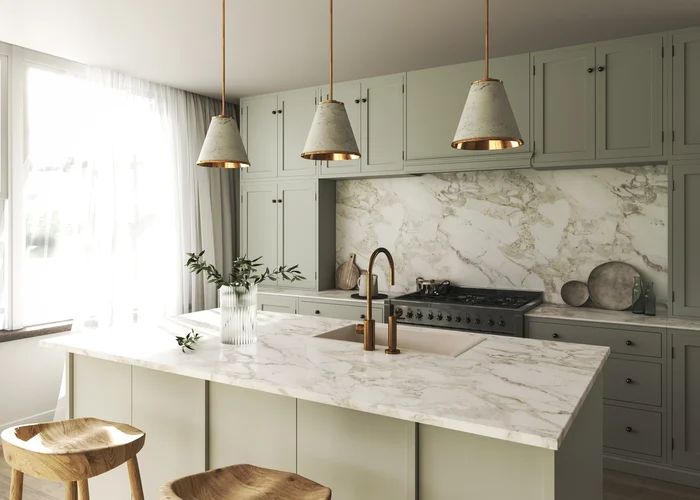
Homeowners exploring Quartzite Countertops in Hollywood often appreciate the combination of natural stone beauty and practical durability.
However, appearance alone cannot confirm whether a slab is genuine quartzite.
How Can You Identify Natural Quartzite?
Natural quartzite is best identified through its mineral composition, crystalline structure, and professional geological testing rather than colour or trade name alone.
Several characteristics can provide useful clues.
Examine the Surface Texture
Quartzite commonly displays a crystalline appearance created by interlocking quartz grains. Depending on the stone and finish, the surface may show subtle sparkling effects.
Marble often has smoother-looking mineral patterns, while granite typically contains visibly different mineral crystals.
However, polished finishes can make these materials appear similar.
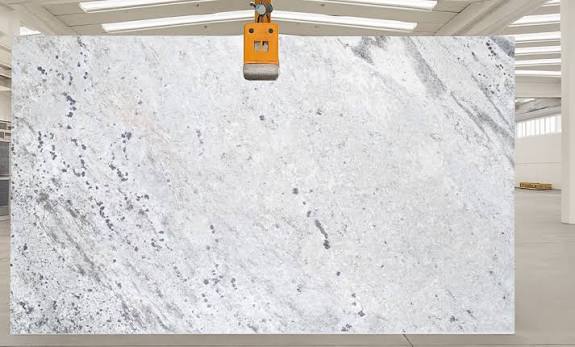
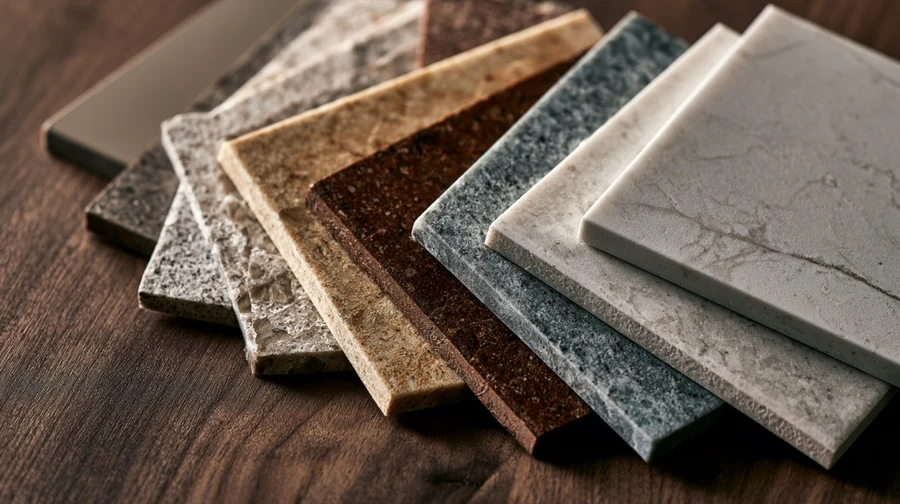
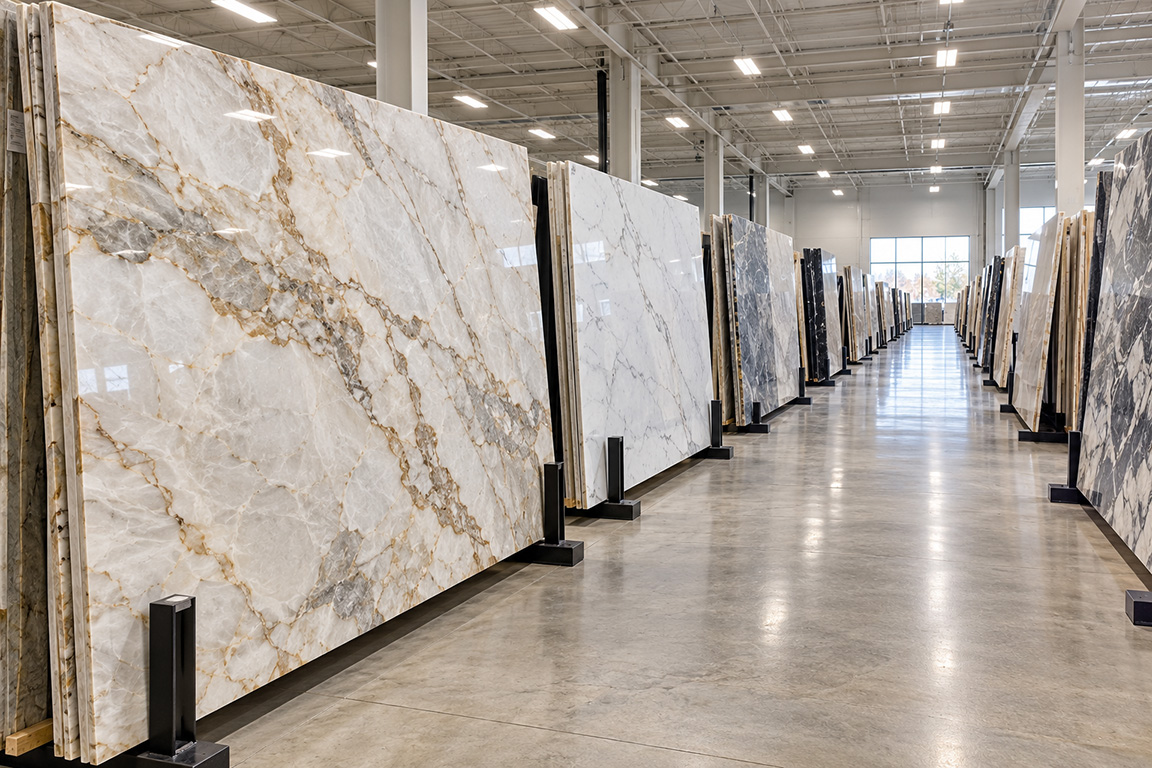
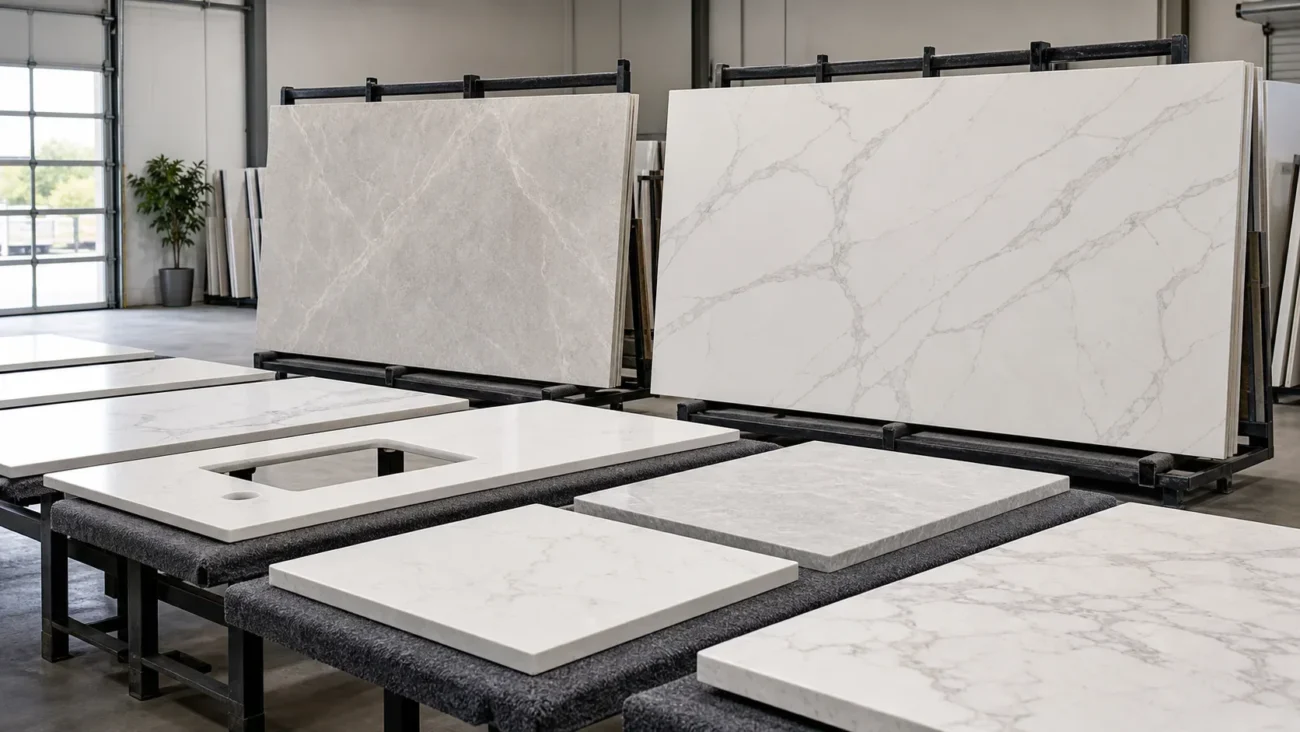
Buyers comparing Countertops in Miramar should examine full slabs under consistent lighting rather than relying exclusively on small samples.
Understand the Scratch Resistance
Quartzite generally has a Mohs hardness near 7 because quartz is its dominant mineral.
Marble, composed primarily of calcite or dolomite, is usually softer. Granite varies according to its mineral composition but commonly offers strong scratch resistance.
A qualified stone professional may use controlled hardness testing on an inconspicuous sample.
Customers should never scratch finished showroom slabs without permission, as testing can permanently damage surfaces.
Check for Acid Sensitivity
Acid reactions can help distinguish quartz-rich stone from carbonate-based materials.
Calcite-rich marble may react to acidic substances, while genuine quartzite generally resists acid etching.
However, some stones sold commercially as quartzite contain carbonate minerals or are classified under different trade names.
Acid testing should only be performed by qualified professionals on approved samples because it can damage polished stone.
How Is Quartzite Different From Marble?
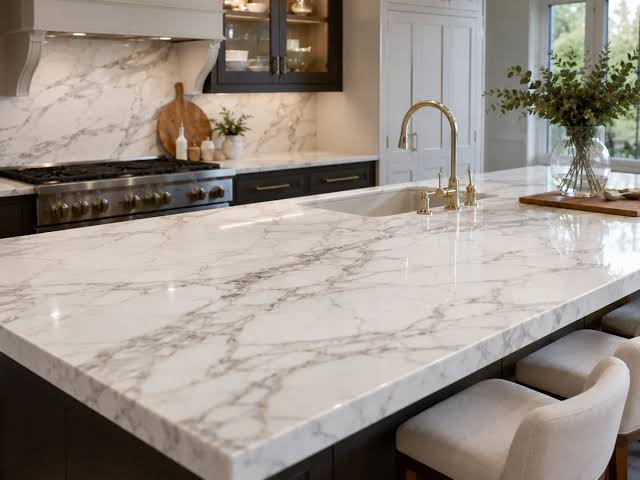
Quartzite and marble can share similar white backgrounds, flowing veins, and elegant appearances.
Their geological composition creates important differences.
Quartzite primarily contains recrystallised quartz, while marble forms through the metamorphism of limestone or dolostone.
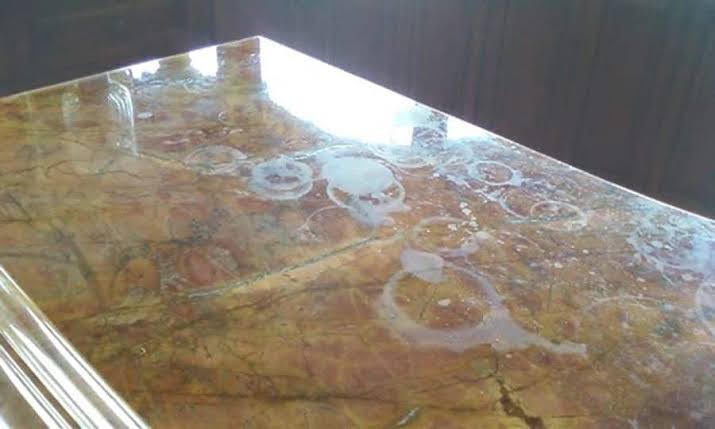
Marble is generally more susceptible to scratching and acid etching, particularly from lemon juice, vinegar, and acidic cleaning products.
Customers researching Marble Countertops in Davenport should consider maintenance expectations alongside appearance.
Quartzite may offer better scratch and acid resistance, but individual slabs still require evaluation for porosity, fissures, and surface treatments.
What Is the Difference Between Quartzite and Granite?
Both quartzite and granite are natural stones, but they form through different geological processes.
Granite is an igneous rock formed when molten material cools and crystallises. Quartzite develops through the metamorphism of quartz-rich sandstone.
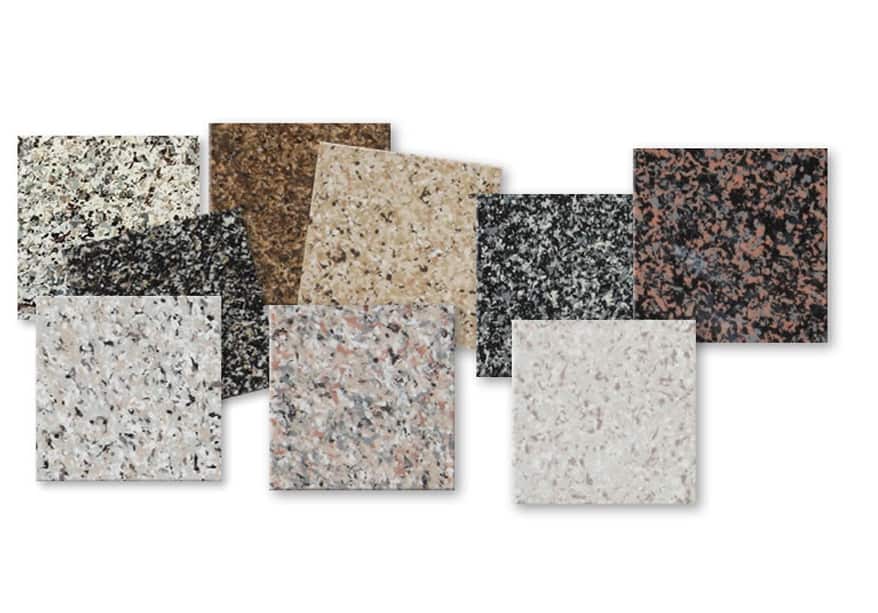
Granite commonly displays a mixture of quartz, feldspar, and mica crystals, creating granular patterns.
Quartzite often features more continuous mineral movement, although appearances vary considerably.
Buyers considering Granite Countertops in Orlando should compare both materials based on actual slab characteristics, intended applications, and maintenance requirements.
Neither material is automatically superior for every kitchen.
Is Natural Quartzite the Same as Engineered Quartz?
Despite their similar names, natural quartzite and engineered quartz are different countertop materials.
Natural quartzite is quarried from the earth, cut into slabs, and fabricated for installation.
Engineered quartz is manufactured using mineral particles combined with binding materials, pigments, and other ingredients.
Engineered quartz generally provides consistent patterns and does not require traditional stone sealing. However, its resin components can be sensitive to excessive heat.
Homeowners exploring Quartz Countertops in Kendall should understand these differences before selecting a material.
Natural quartzite offers unique geological patterns, while engineered quartz provides greater design consistency.
Why Can Quartzite Slabs Have Different Patterns?
Natural quartzite develops under geological conditions that vary across deposits.
Mineral composition, pressure, temperature, and structural changes influence the stone's appearance.
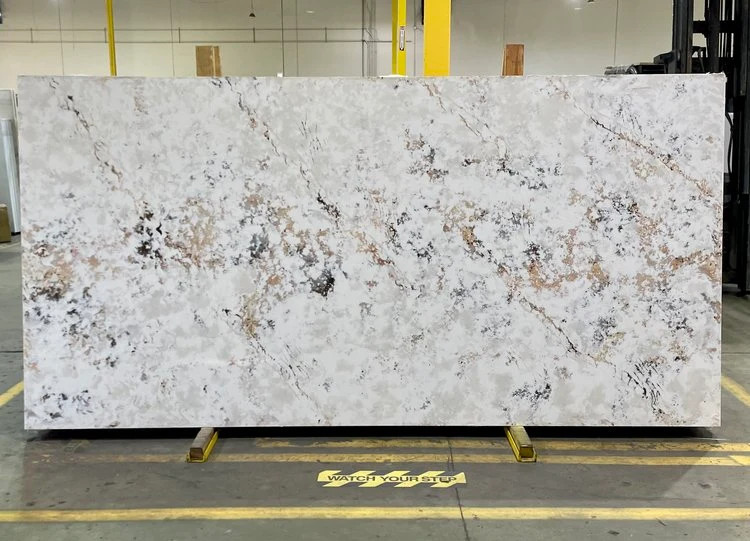
Consequently, two slabs sold under the same commercial name may display noticeably different veining or colouration.
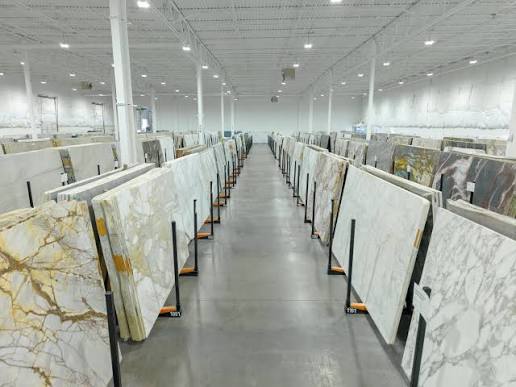
When selecting Quartzite Slabs in Hollywood, customers should inspect the actual slabs intended for fabrication.
For large islands or multiple countertop sections, reviewing consecutive slabs can help achieve better visual coordination.
What Should Wholesale Buyers Verify Before Purchasing Quartzite?
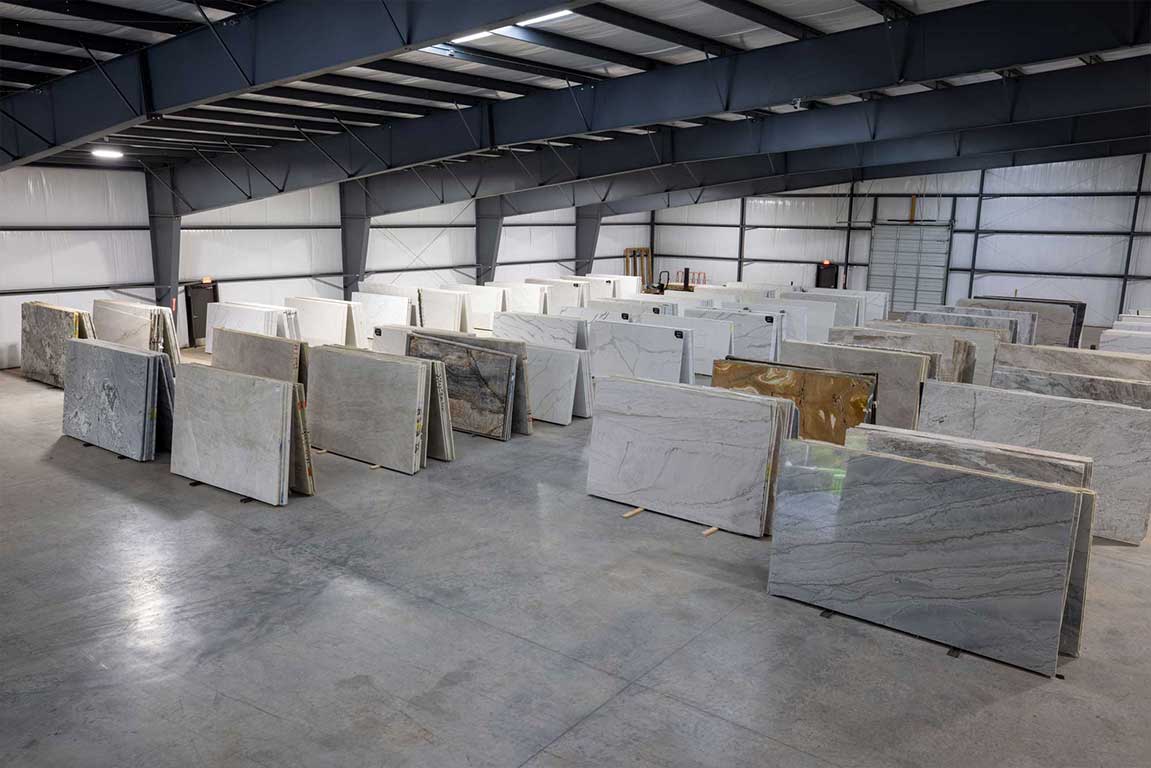
Contractors and fabricators purchasing Wholesale Countertops in Aventura should verify material identification, slab dimensions, thickness, finish, and availability.
They should also examine visible fissures, resin treatments, repairs, and potential fabrication limitations.
Important questions include whether the supplier can provide additional slabs from the same lot and whether the selected material requires specialised handling.
Commercial names should not be treated as definitive geological classifications.
Independent testing may be appropriate when material identification remains uncertain.
Does Natural Quartzite Require Sealing?
Some quartzite slabs benefit from sealing, but requirements vary depending on porosity, finish, and existing treatments.
A qualified fabricator can assess whether a penetrating sealer is appropriate.
Sealing may reduce liquid absorption and staining risks, but it does not make stone completely stainproof.
Routine maintenance should involve suitable pH-neutral cleaners and prompt removal of spills.
Avoid abrasive products or harsh chemicals unless specifically approved for the material.
Where Can You Find Reliable Quartzite Countertop Suppliers?
Choosing a knowledgeable supplier is essential when purchasing natural stone.
Customers comparing Countertop Suppliers in Orlando should prioritise businesses that provide clear material information, transparent slab availability, and opportunities for physical inspection.
At Factory Direct Cabinets & Granite, customers can explore countertop materials and discuss design preferences, slab selection, and project requirements.
Reviewing complete slabs before fabrication helps customers understand natural variations and make informed decisions.
Final Thoughts
Distinguishing natural quartzite from other countertop materials requires understanding geological composition, hardness, acid sensitivity, and visible mineral characteristics.
Although appearance provides useful clues, professional evaluation offers greater confidence when identifying unfamiliar stone.
By comparing actual slabs, asking detailed questions, and working with knowledgeable suppliers, homeowners and contractors can select countertop materials that balance natural beauty, functionality, and long-term performance.