
Kitchen countertops regularly come into contact with acidic foods such as lemons, tomatoes, vinegar, oranges, and certain cooking sauces. While these ingredients are essential for everyday cooking, they can affect countertop surfaces differently depending on the material. Some natural stones are vulnerable to permanent surface damage, while engineered materials generally offer stronger resistance to common food acids.
When acidic foods contact countertops, they may cause etching, dull spots, discolouration, or damage to protective sealers. Marble and other calcium carbonate stones are particularly vulnerable, whereas quartz, granite, and many quartzites generally resist everyday food acids better.
Understanding these differences helps homeowners selecting Countertops in Orlando choose materials that match their cooking habits, maintenance expectations, and kitchen design preferences.
Why Do Acidic Foods Affect Countertop Surfaces?
Acidic foods contain compounds that can react with certain minerals found in natural stone. Lemon juice contains citric acid, vinegar contains acetic acid, and tomatoes contain naturally occurring organic acids.
When these substances contact acid-sensitive stone, chemical reactions can gradually dissolve tiny amounts of surface minerals.
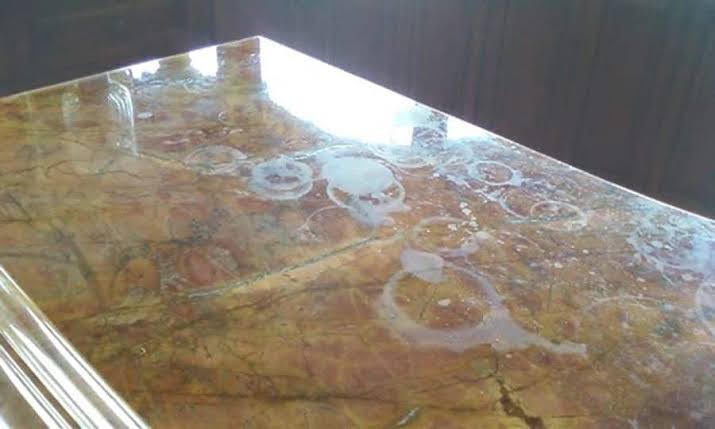
This process is called etching. Unlike ordinary stains, etching changes the stone's surface texture and often creates cloudy or dull marks.
The severity depends on the countertop composition, acid concentration, exposure duration, and surface finish.
Homeowners comparing Wholesale Countertops in Hollywood should understand these characteristics before choosing materials for frequently used kitchens.
How Do Acidic Foods Affect Marble Countertops?
Marble primarily contains calcite or dolomite, minerals that react with acidic substances.
When lemon juice, vinegar, or tomato sauce remains on marble, the surface may develop dull patches, rings, or visible etching.
Polished marble often makes these marks particularly noticeable because damaged areas reflect light differently.
For customers considering Marble Countertops in Miramar, understanding this sensitivity is important.
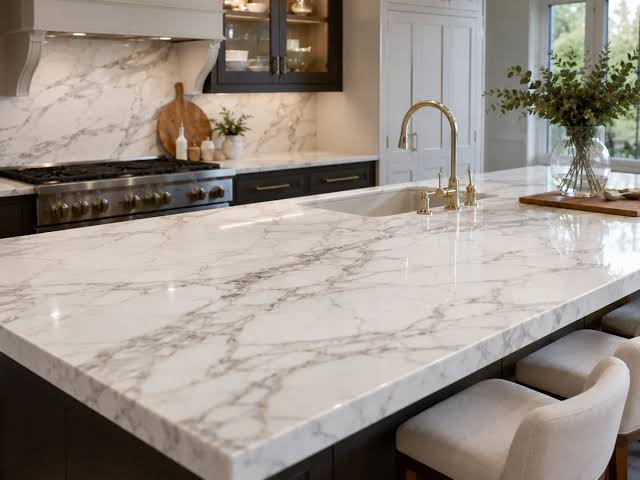
Marble remains attractive because of its natural veining and elegant appearance, but it requires careful maintenance.
Spills should be cleaned promptly using a soft cloth, water, and a stone-safe cleaner.
Importantly, sealing marble helps reduce liquid absorption but does not prevent acid etching.
Are Quartz Countertops Resistant to Acidic Foods?
Engineered quartz countertops are generally resistant to brief contact with common food acids because their surfaces contain quartz minerals combined with binding resins.
Everyday ingredients such as citrus juice and tomato sauce usually present less risk of etching than they do on marble.
However, quartz countertops are not completely resistant to chemical damage.
Prolonged exposure to concentrated acids, aggressive cleaners, or incompatible chemicals may affect the resin or surface appearance.
Customers researching Quartz Countertops in Kendall should review manufacturer maintenance recommendations before using cleaning products.
Wiping spills promptly and avoiding harsh chemicals helps preserve the countertop finish.
Quartz surfaces generally do not require routine sealing, making them convenient for busy households.
Can Acidic Foods Damage Quartzite Countertops?
Quartzite is a natural metamorphic rock primarily composed of quartz, making genuine quartz-rich varieties relatively resistant to common household acids.
However, not every slab marketed as quartzite has identical mineral composition.
Some commercially labelled quartzites contain acid-sensitive minerals or are classified differently in geological terms.
As a result, certain slabs may develop etching or surface changes when exposed to acidic ingredients.
Homeowners exploring Quartzite Countertops in Aventura should ask suppliers about the specific stone's characteristics and maintenance requirements.
Testing an approved sample can help identify potential sensitivity before installation.
Although quartzite often provides excellent durability, sealing and appropriate cleaning remain important for many natural stone varieties.
What Happens When Acid Contacts Granite Countertops?
Granite typically contains quartz, feldspar, and other minerals that generally resist mild food acids better than marble.
Brief contact with lemon juice or vinegar usually does not cause the same immediate etching associated with calcium carbonate stones.
Nevertheless, granite countertops can vary in mineral composition and surface treatment.
Certain stones sold commercially as granite may contain minerals or finishes with different chemical sensitivities.
Customers selecting Granite Countertops in Davenport should avoid assuming every granite slab performs identically.
Extended exposure to acidic substances may also affect some sealers or surface treatments.
Cleaning spills promptly and following stone-specific maintenance instructions helps protect the countertop's appearance.
Which Countertop Materials Handle Acidic Foods Best?
Different countertop materials respond differently to common acidic ingredients.
Countertop Material | General Acid Resistance | Main Concern |
Marble | Low | Surface etching |
Engineered quartz | Generally good | Resin or finish damage from harsh chemicals |
Quartzite | Generally good, varies | Mineral-dependent etching |
Granite | Generally good | Stone and sealer variations |
These comparisons describe typical material behavior rather than guarantees for individual products.
Buyers searching for Wholesale Countertop Suppliers Near Me should request product specifications and care instructions to understand how their selected slabs perform.
How Can You Prevent Acid Damage on Countertops?
Preventing countertop damage begins with simple daily maintenance practices.
Clean acidic spills immediately instead of allowing liquids to remain on the surface.
Use cutting boards when preparing citrus fruits, tomatoes, and other acidic ingredients.
Avoid vinegar-based cleaners on natural stone unless the manufacturer specifically approves them.
Choose pH-neutral cleaning products suitable for the installed material.
Use coasters, trays, and protective mats when handling acidic beverages or cooking ingredients.
For natural stone, follow recommended sealing schedules based on the particular material and sealer.
Customers visiting Countertop Stores in Orlando should ask for cleaning instructions before purchasing.
These preventive habits can help maintain countertop appearance and reduce unnecessary restoration expenses.
Can Acid-Damaged Countertops Be Repaired?
Repair options depend on the countertop material and severity of the damage.
Minor marble etching may be corrected through professional polishing or refinishing.
Deeper surface damage may require specialised stone restoration.
Granite and quartzite repairs depend on the affected minerals, finish, and extent of deterioration.
Engineered quartz surface damage can be more difficult to repair invisibly because polishing may alter the factory finish.
Avoid attempting restoration with abrasive household cleaners or unapproved polishing products.
A qualified stone professional can evaluate the surface and recommend appropriate treatment.
Final Thoughts
Acidic foods affect countertop materials differently, making proper material selection essential for long-term kitchen performance.
Marble requires greater protection against etching, while granite, engineered quartz, and genuine quartzite generally provide better resistance to everyday food acids.
However, no countertop should be considered completely immune to chemical damage.
At Factory Direct Cabinets & Granite, homeowners, builders, and contractors can explore countertop materials suited to different design preferences and practical requirements.
Choosing the appropriate surface, understanding maintenance instructions, and cleaning spills promptly can help preserve countertop appearance for years.