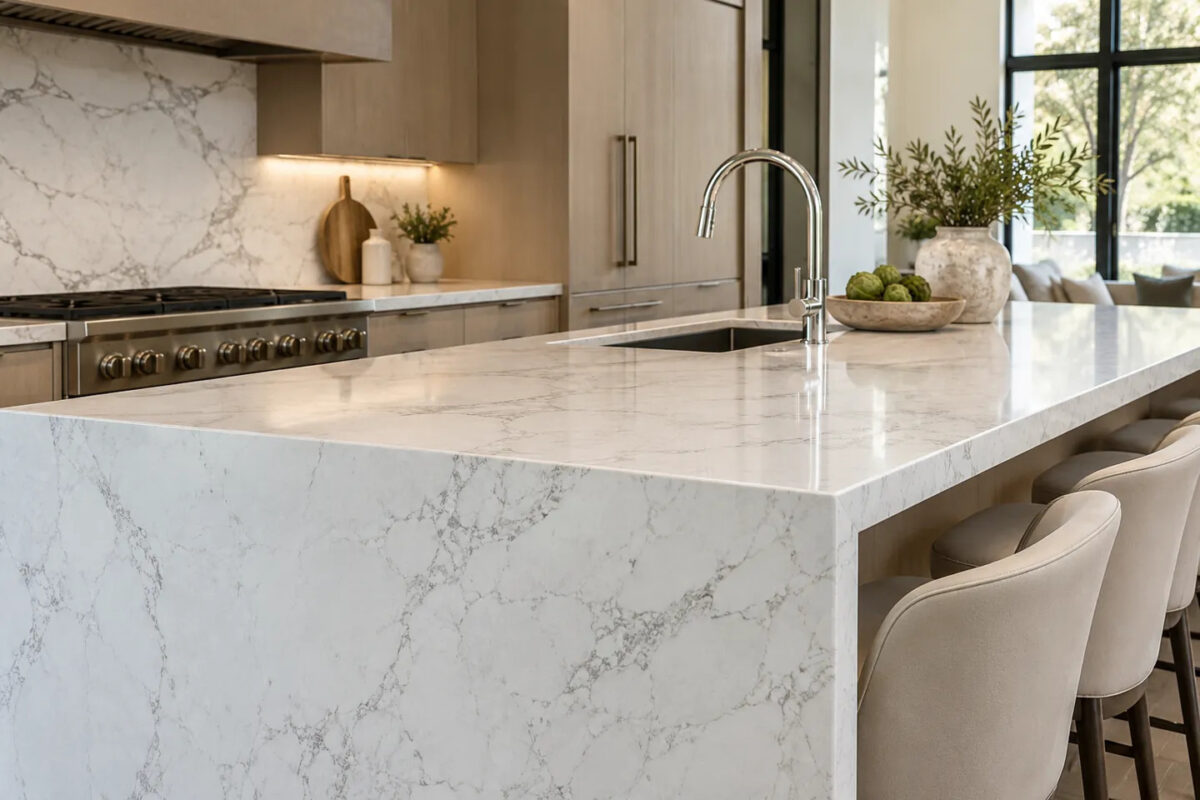

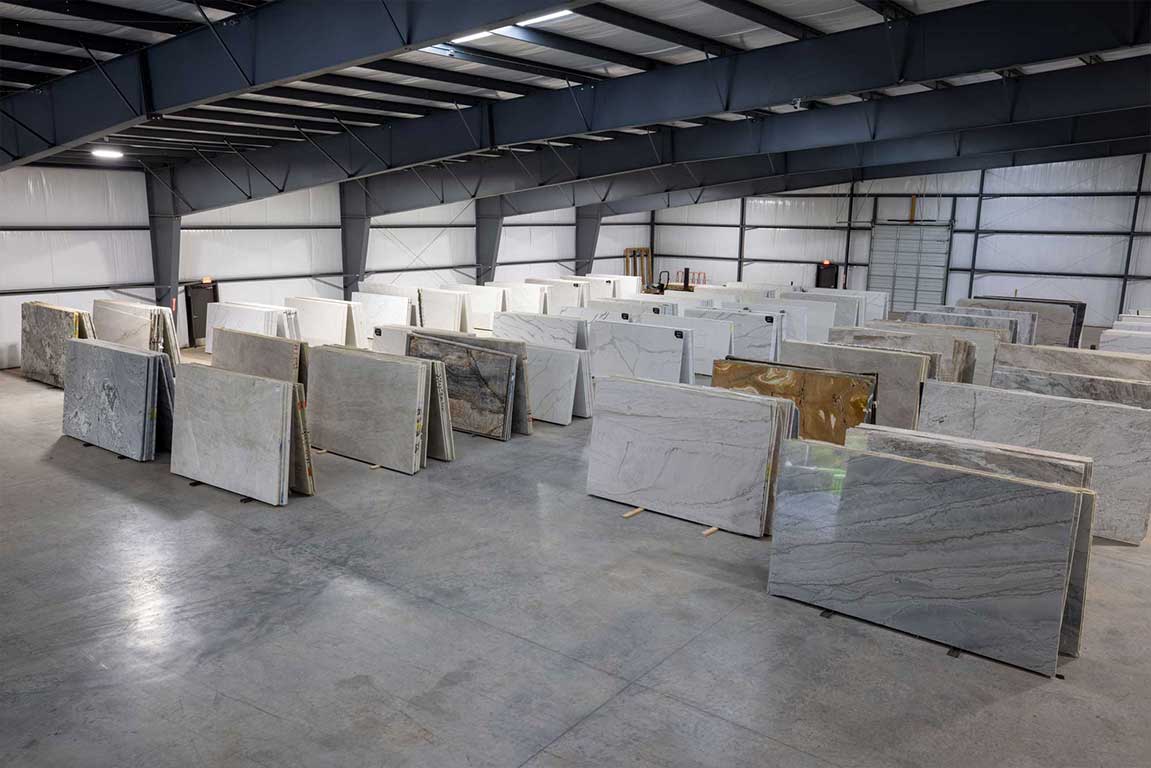
Choosing a quality countertop slab is essential for creating a durable, attractive, and functional kitchen or bathroom. Whether purchasing materials for a residential renovation or a large construction project, understanding how suppliers evaluate countertop slabs helps buyers make informed decisions.
Wholesale countertop suppliers typically verify slab quality by inspecting surface conditions, checking dimensions and thickness, examining natural characteristics, identifying visible defects, and reviewing material specifications before selling. The exact inspection process varies depending on the supplier and countertop material.
At Factory Direct Cabinets & Granite, we understand the importance of selecting countertop materials that meet homeowners' design preferences and contractors' project requirements.
Why Is Countertop Slab Quality Inspection Important?
Countertop slabs experience daily exposure to moisture, cleaning products, cookware, and regular kitchen activities. Choosing unsuitable materials can result in installation difficulties, maintenance problems, or unexpected replacement costs.
Professional suppliers inspect slabs to identify visible concerns before customers purchase them.
Common inspection considerations include:
- Surface scratches, chips, and cracks
- Slab thickness and dimensions
- Colour consistency and patterns
- Natural fissures and mineral variations
- Surface finish and polishing quality
- Material identification and specifications
Customers comparing Wholesale Countertop Suppliers in Orlando should ask about inspection procedures and available product information before placing orders.
How Do Suppliers Inspect Countertop Surfaces?
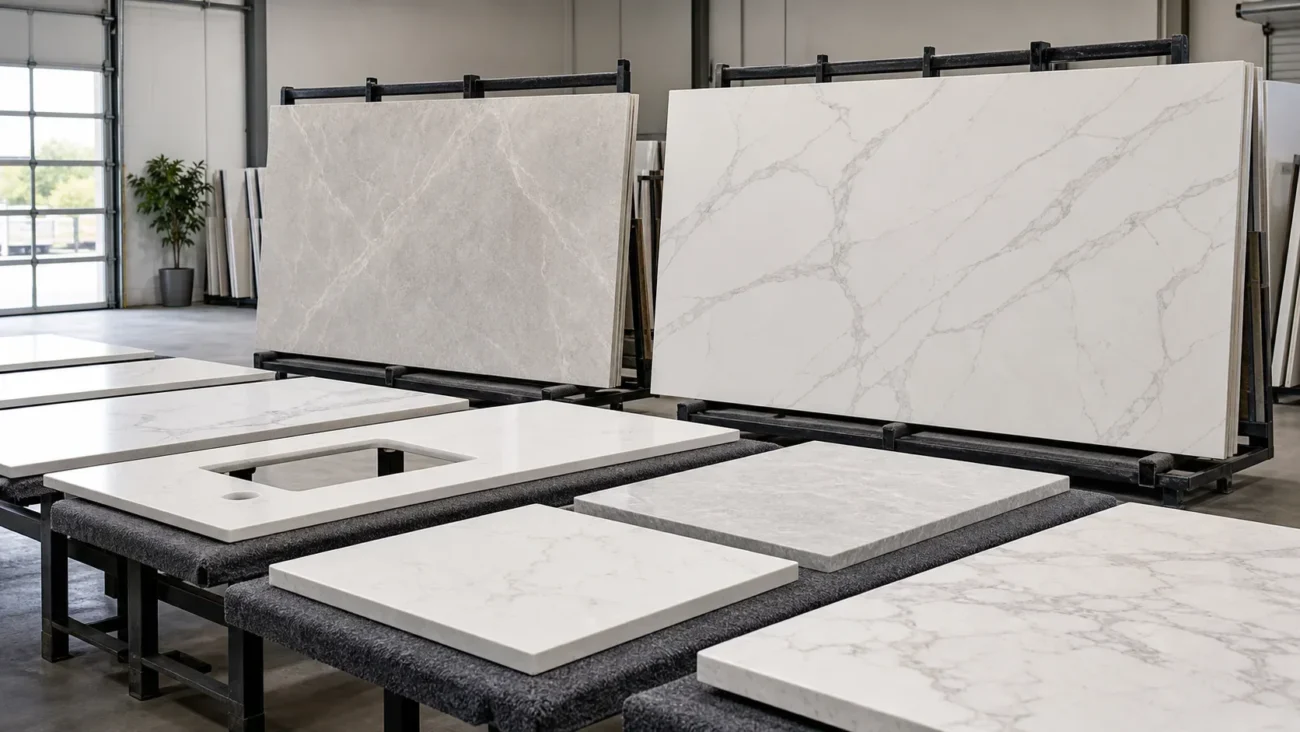
Visual inspection is one of the most important steps in evaluating countertop quality.
Suppliers examine the slab under suitable lighting to identify scratches, chips, cracks, stains, and unusual surface marks.
They may also inspect slab edges and corners because damage can occur during transportation, unloading, or warehouse handling.
For customers purchasing Countertops in Miramar, examining the entire slab rather than relying only on small samples provides a better understanding of its appearance.
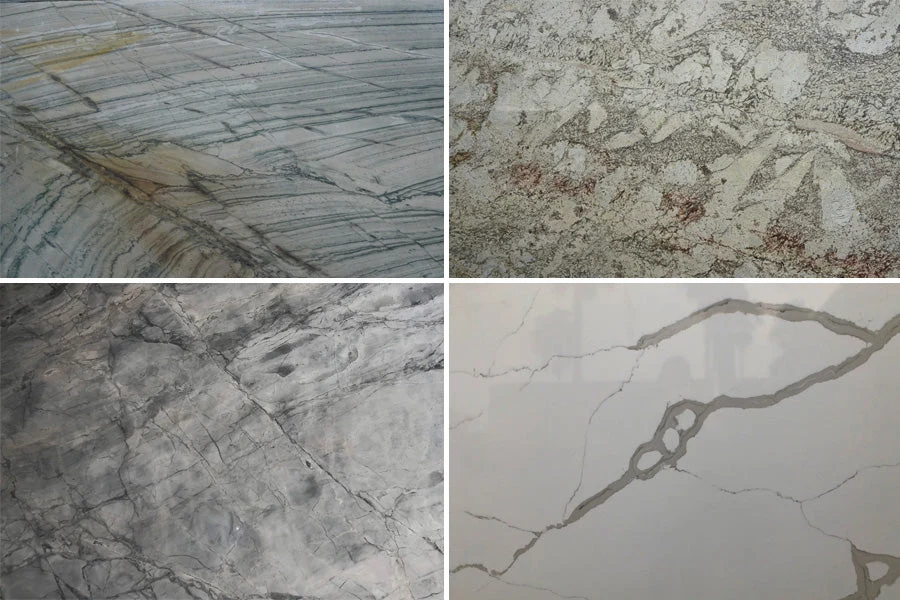
Natural stone often contains unique mineral patterns and geological characteristics. These features should not automatically be mistaken for manufacturing defects.
How Are Slab Thickness and Dimensions Verified?
Accurate dimensions are essential for countertop fabrication and installation.
Suppliers may measure slab length, width, and thickness to confirm that the material matches its stated specifications.
Common nominal countertop slab thicknesses include approximately 2 cm and 3 cm, although available options depend on the material and manufacturer.
Incorrect dimensions can create problems when planning large islands, backsplashes, and countertop sections.
Contractors sourcing Wholesale Countertops in Hollywood should confirm usable slab dimensions before preparing cutting layouts.
They should also account for sink openings, cooktop cutouts, edge finishing, and fabrication waste.
How Do Suppliers Check Quartz Countertop Quality?
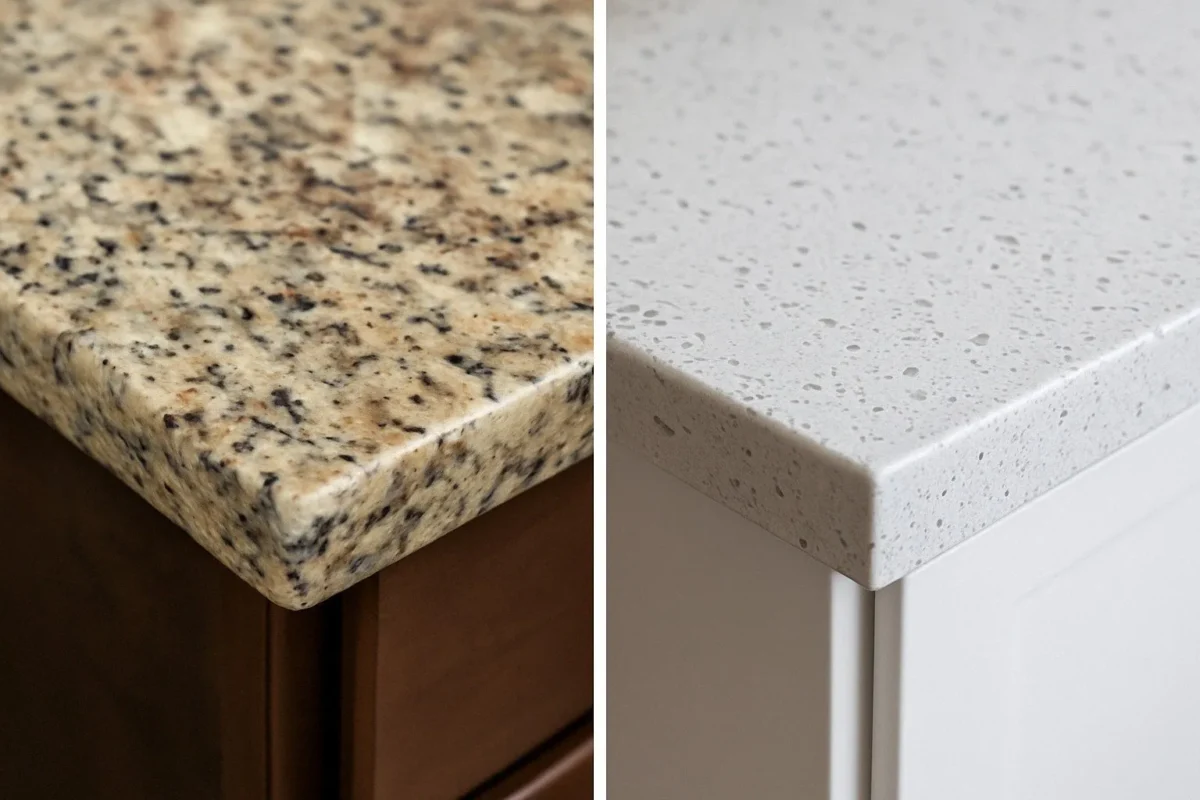
Engineered quartz countertops contain quartz minerals, resins, pigments, and other materials.
Quality evaluation generally focuses on surface consistency, finish, dimensions, and visible manufacturing irregularities.
Suppliers and fabricators may examine:
- Uneven surface appearance
- Unexpected discolouration
- Visible scratches or chips
- Pattern consistency
- Surface finish irregularities
- Manufacturer identification
Customers purchasing Quartz Countertops in Kendall should understand that engineered quartz is generally nonporous and does not require routine sealing.
However, quartz is not completely resistant to heat or physical damage.
Manufacturer specifications and care instructions remain important when evaluating product suitability.
What Quality Checks Are Important for Granite Slabs?
Granite is a natural stone valued for its durability, distinctive mineral patterns, and variety of colors.
Because granite forms naturally, each slab may contain unique veining, mineral concentrations, and geological features.
Quality inspection involves distinguishing normal natural characteristics from damage that could affect fabrication or installation.
For example, a natural fissure may be part of the stone's structure, while an open crack may require additional evaluation.
Customers selecting a Granite Countertop in Aventura should inspect the slab for visible cracks, edge damage, surface irregularities, and overall finish quality.
Granite porosity varies, so sealing requirements should be determined according to the specific material.
How Are Marble Countertop Slabs Evaluated?
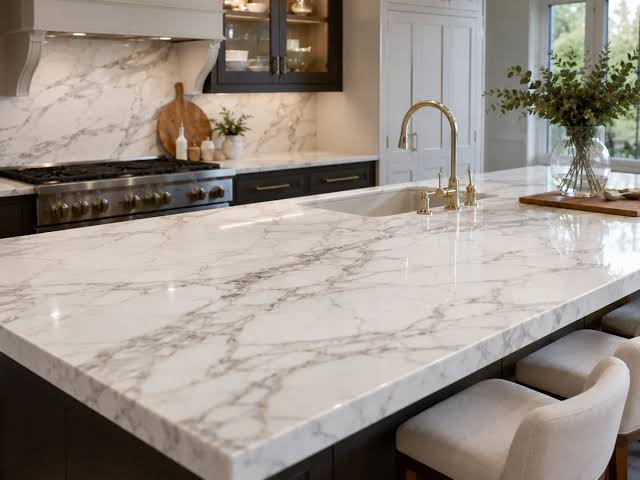
Marble is appreciated for its elegant veining and distinctive natural appearance.
However, marble requires careful evaluation because wide varieties are susceptible to scratching, staining, and acid etching.
Suppliers may inspect marble slabs for surface cracks, filled areas, polishing consistency, and visible structural concerns.
Homeowners purchasing a Marble Countertop in Pembroke Pines should understand that natural colour variation and veining are expected characteristics.
Marble can also develop dull marks when exposed to acidic substances such as lemon juice or vinegar.
Understanding these maintenance requirements helps customers determine whether marble suits their lifestyle.
How Do Suppliers Evaluate Quartzite Slab Quality?
Quartzite is a natural stone commonly selected for its appearance and potential durability.
However, different quartzite varieties can have different mineral compositions, porosity levels, and performance characteristics.
A proper evaluation may include examining natural fissures, resin-treated areas, surface finish, and material identification.
Customers purchasing a Quartzite Countertop in Hollywood should ask whether the selected material requires sealing and whether any additional treatments have been applied.
Some stones marketed under commercial names may have properties that differ from expectations.
Confirming material characteristics before purchasing helps reduce misunderstandings.
Why Are Slab Colour and Pattern Consistency Important?
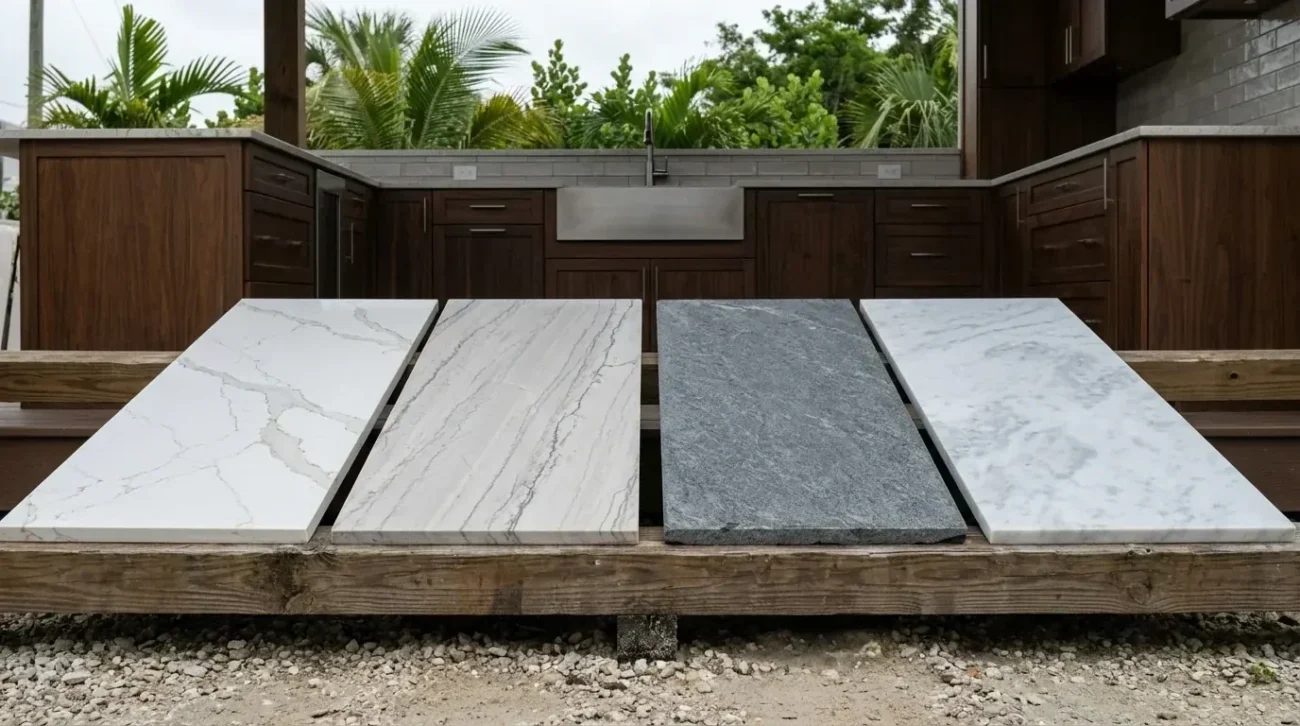
Colour and pattern consistency become especially important when a project requires multiple slabs.
Natural stone slabs may differ even when they come from the same quarry or product collection.
Engineered surfaces can also show differences between production batches.
Suppliers may compare slabs to identify noticeable variations and help customers select compatible pieces.
For large kitchen islands or continuous countertop installations, fabricators should consider vein direction and pattern alignment.
Customers searching for Affordable Countertops Near Me should evaluate appearance and material suitability alongside price.
How Can Buyers Verify Countertop Quality Before Purchasing?
Homeowners and contractors should participate in the material selection process whenever possible.
Before purchasing, consider these steps:
- Inspect the full slab under adequate lighting.
- Confirm material type, dimensions, and thickness.
- Check visible edges for chips or cracks.
- Ask about natural fissures and repaired areas.
- Review manufacturer specifications and warranties.
- Confirm slab availability and identification.
- Discuss fabrication requirements with the installer.
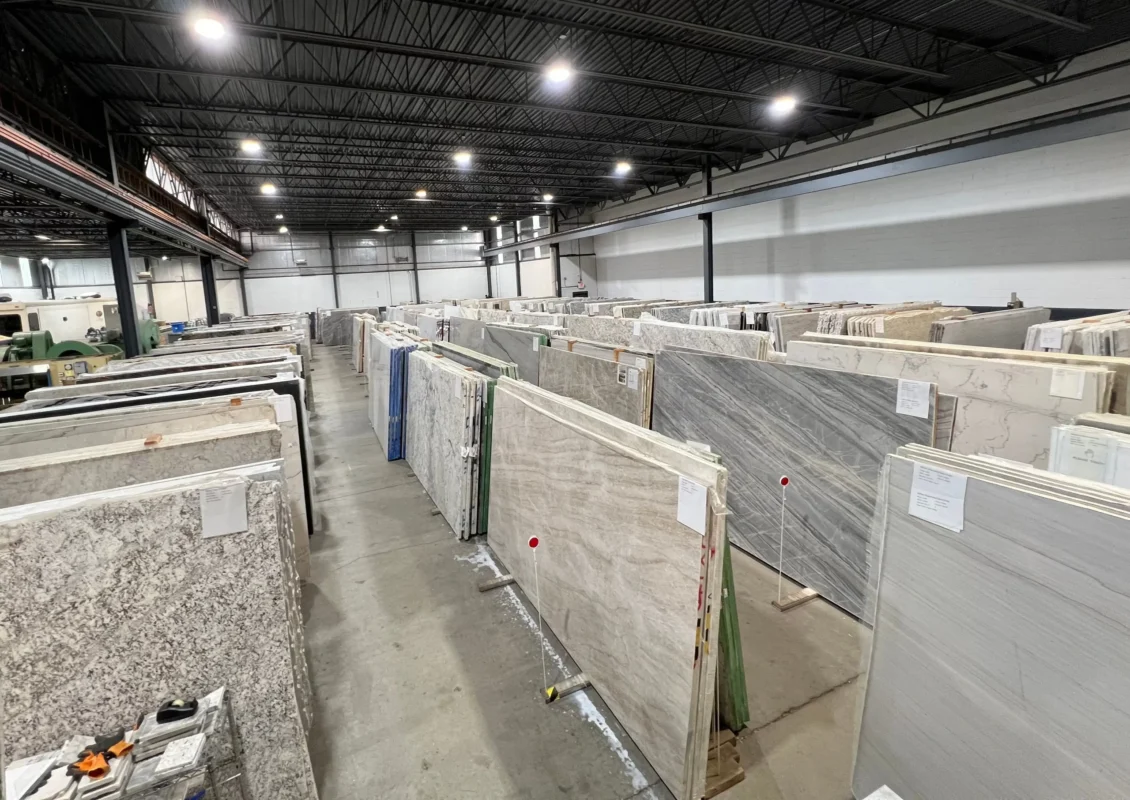
When visiting Countertop Stores in Orlando, customers should also ask whether the displayed slab is the exact material they will receive.
Frequently Asked Questions
Do wholesale countertop suppliers inspect every slab?
Inspection practices vary. Buyers should ask whether individual slabs receive visual checks and what quality documentation is available.
Are natural fissures considered countertop defects?
Not necessarily. Some fissures are natural geological characteristics. Their significance depends on the stone and location.
Does a higher countertop price guarantee better quality?
No. Pricing also reflects material rarity, appearance, origin, availability, and market demand.
Should contractors inspect slabs before fabrication?
Yes. Reviewing the selected slabs before cutting helps identify visible concerns and confirm layout requirements.
Conclusion
Wholesale countertop quality verification involves evaluating surface conditions, dimensions, thickness, material characteristics, and visible imperfections.
Understanding these checks helps homeowners and contractors choose suitable materials while reducing avoidable purchasing and fabrication problems.
Factory Direct Cabinets & Granite offers countertop options for customers exploring quartz, granite, marble, and quartzite surfaces.
Whether planning a kitchen renovation or sourcing materials for construction projects, careful slab selection remains essential.
Contact Factory Direct Cabinets & Granite to explore countertop materials and discuss the options available for your next project.