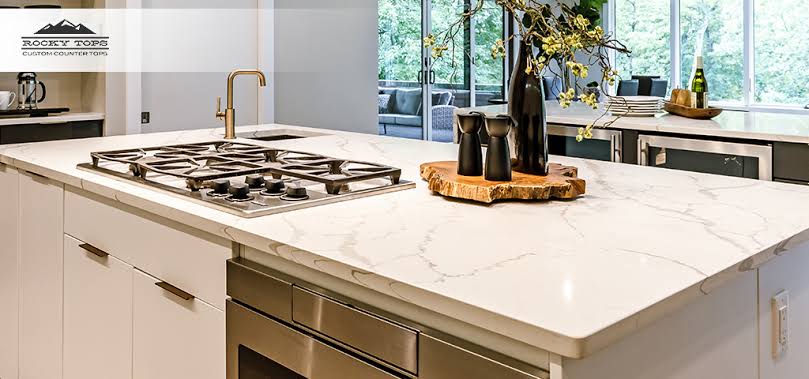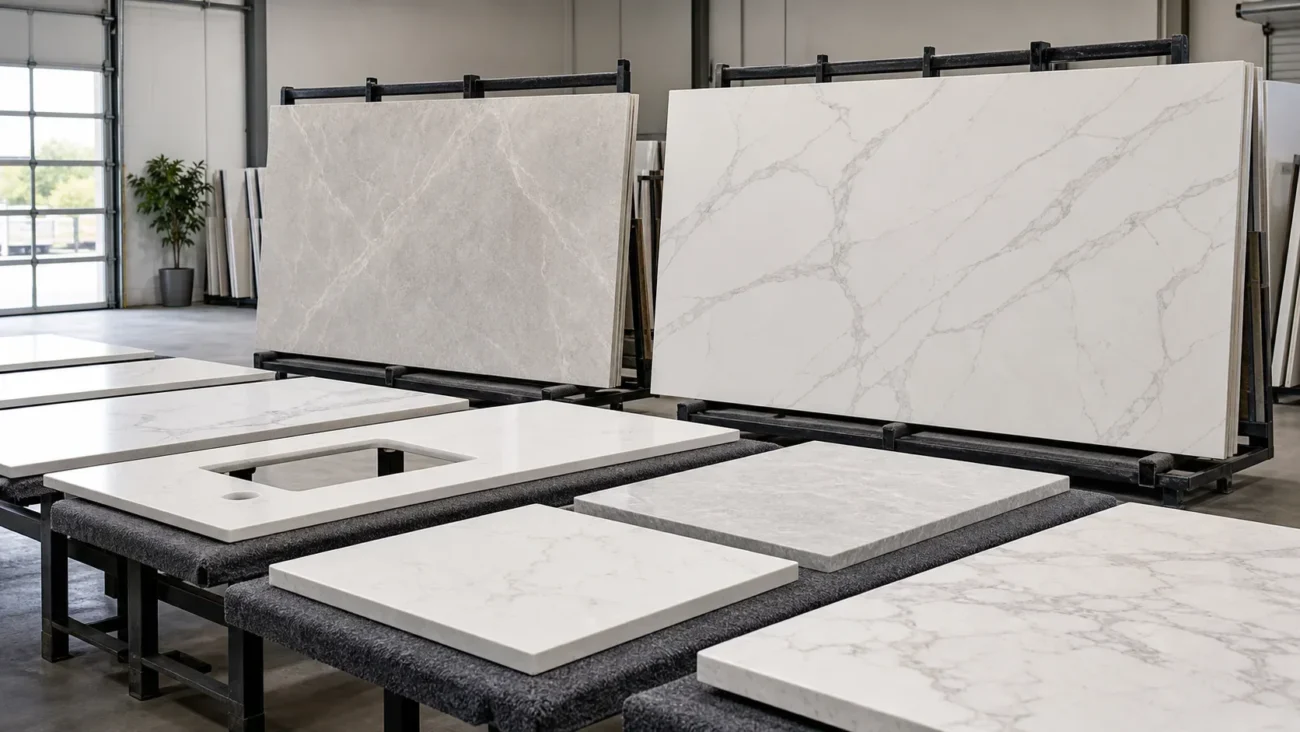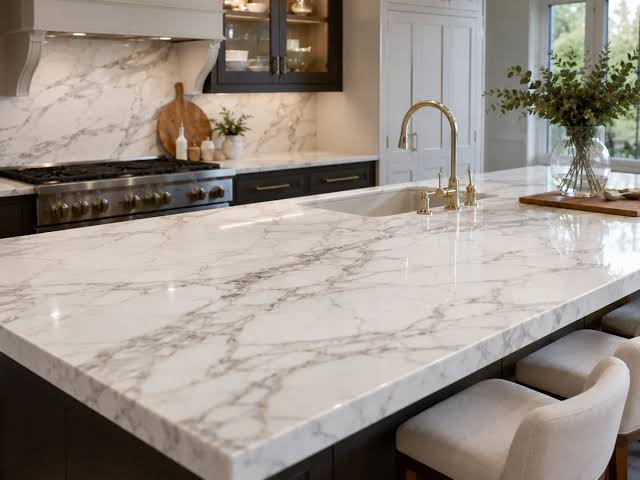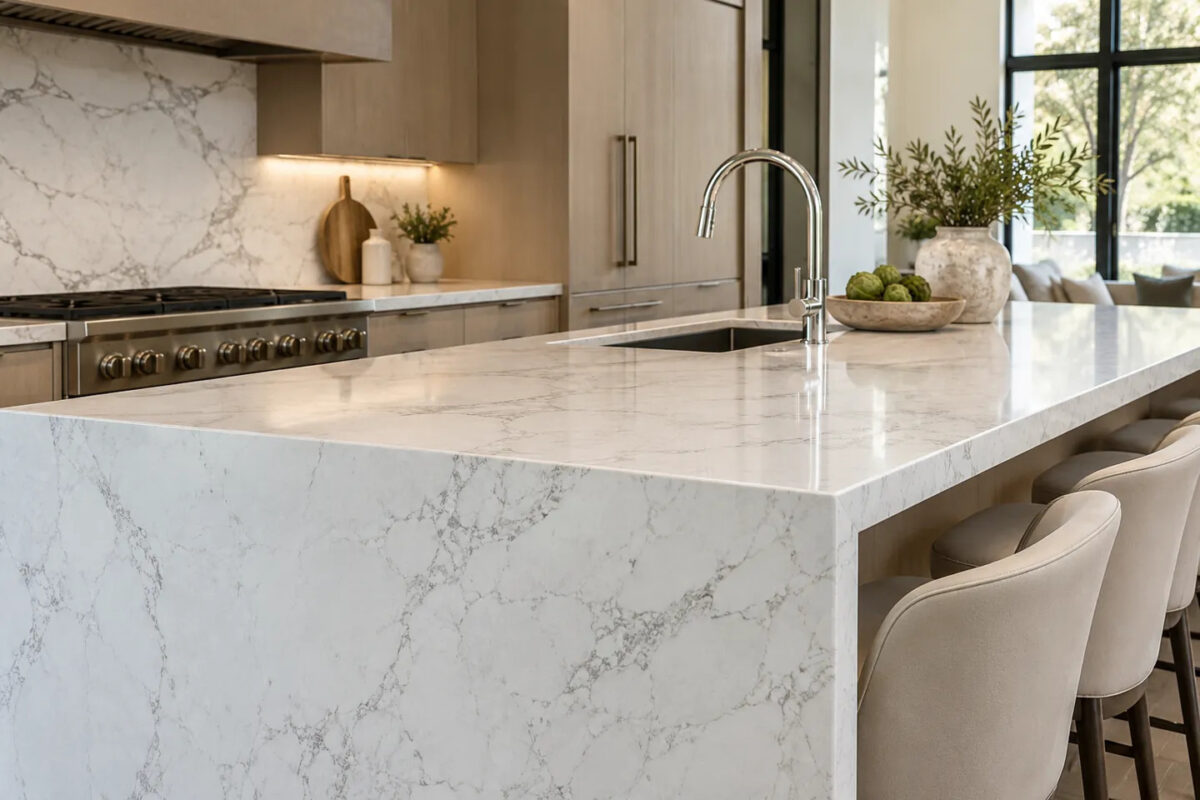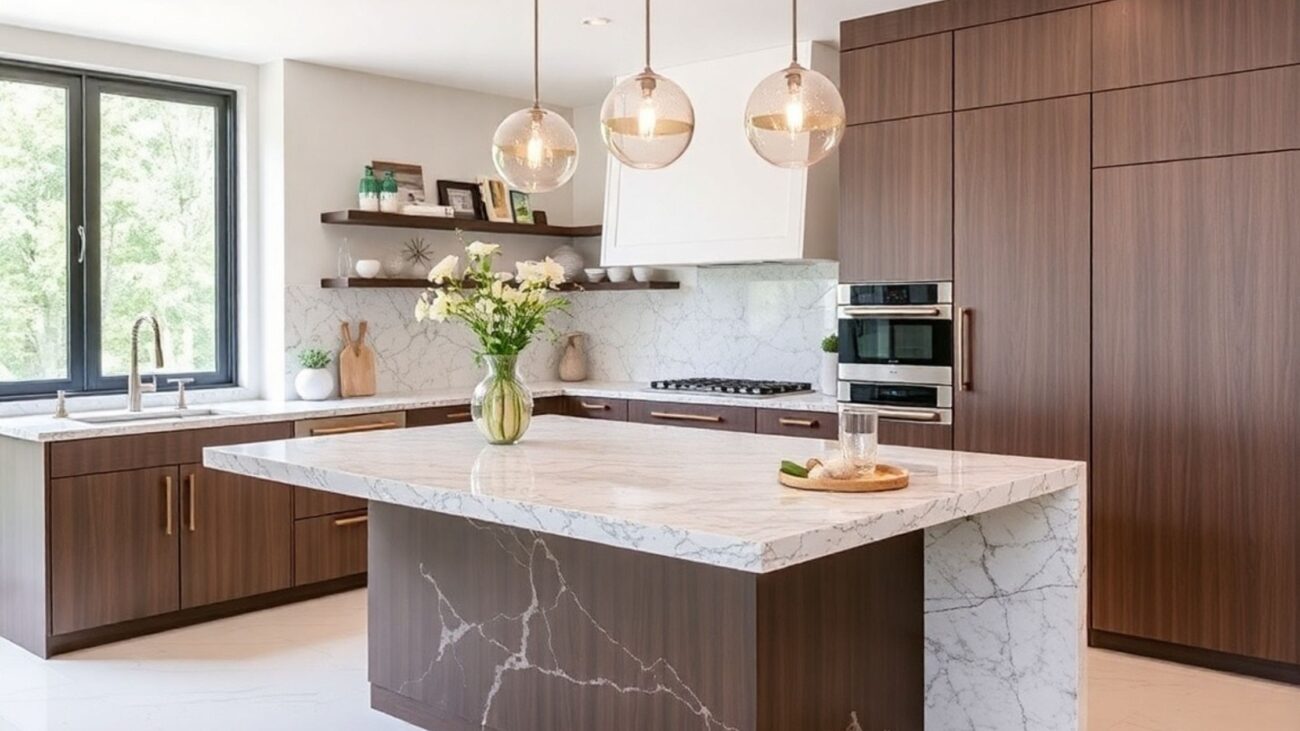

Quartz countertops are popular in modern kitchens because of their attractive appearance, durability, and relatively simple maintenance. However, homeowners sometimes notice that certain sections of their quartz countertops become dull while the surrounding surfaces remain glossy. These uneven patches can affect the appearance of an otherwise beautiful kitchen.
Quartz countertops usually lose their shine in specific areas because of abrasive cleaning, chemical exposure, mineral deposits, surface residue, or physical wear. In some cases, the countertop has not actually lost its factory finish; a layer of buildup simply makes the surface appear cloudy.
Understanding the difference is important before attempting repairs.
At Factory Direct Cabinets & Granite, we believe homeowners and contractors benefit from understanding countertop materials before purchasing, installing, or maintaining them.
Why Do Quartz Countertops Develop Dull Spots?
Engineered quartz countertops generally contain natural quartz minerals combined with resins, pigments, and other ingredients. Their appearance is created through manufacturing and factory finishing processes.
Unlike many natural stone surfaces, quartz countertops typically do not require periodic sealing.
However, their finished surfaces can still experience damage.
The most common causes of dull areas include:
- Harsh or abrasive cleaning products
- Mineral deposits from hard water
- Excessive exposure to concentrated chemicals
- Scratches from abrasive pads
- Residue from cleaning solutions
- Localised heat damage
Homeowners purchasing Quartz Countertops in Orlando should understand the manufacturer's maintenance recommendations to preserve the original finish.
Can Harsh Cleaning Products Damage Quartz Countertops?
Yes. Certain cleaning chemicals can affect the appearance of engineered quartz, especially when they are highly concentrated or left on the surface for extended periods.
Strong alkaline cleaners, oven cleaners, paint removers, and other aggressive chemicals may damage the resin or surface finish.
A countertop exposed to these substances can develop cloudy patches, discolouration, or uneven gloss.
How to prevent chemical damage
Use mild dish soap, warm water, and a soft microfiber cloth for routine cleaning. Rinse thoroughly and dry the surface afterwards.
Always check the countertop manufacturer's approved cleaning instructions before using specialised products.
For homeowners comparing Countertops in Hollywood, understanding maintenance requirements is just as important as selecting the right colour or pattern.
Does Hard Water Cause Quartz Countertops to Look Cloudy?
Hard water contains dissolved minerals, including calcium and magnesium. When water evaporates, these minerals can remain on the countertop.
Over time, deposits may accumulate around sinks, faucets, and frequently used preparation areas.
These deposits can create white marks or cloudy patches that make polished quartz appear dull.
Importantly, mineral buildup does not necessarily mean the countertop's original finish has been damaged.
How to reduce mineral deposits
Wipe standing water promptly, particularly around sinks. Clean regularly with a manufacturer-approved product and dry the surface using a soft cloth.
Avoid scraping mineral deposits with metal tools or using acidic descalers unless the manufacturer specifically approves them.
Can Scratches Make Quartz Countertops Lose Their Shine?
Although engineered quartz is generally scratch-resistant, it is not scratch-proof.
Repeated contact with abrasive materials can produce fine scratches that scatter reflected light, making the affected area appear less glossy.
Common causes include:
- Cutting food directly on the countertop
- Sliding rough-bottomed cookware
- Using abrasive cleaning powders
- Scrubbing with harsh scouring pads
These marks may become especially noticeable under overhead lighting.
Contractors working with Countertop Suppliers in Orlando should explain proper surface care to customers after installation.
Using cutting boards, protective mats, and nonabrasive cleaning tools helps preserve the countertop's appearance.
Can Heat Exposure Create Dull Patches on Quartz?
Heat exposure is another potential cause of localised surface damage.
Engineered quartz contains resin components that can be affected by excessive temperatures or sudden temperature changes.
Placing hot cookware directly onto the surface may cause discolouration, cracking, or permanent changes in appearance.
Damage may appear near cooktops, countertop appliances, or frequently used cooking areas.
For contractors sourcing Wholesale Countertops in Aventura, explaining the difference between heat resistance and heatproof performance helps customers understand proper material care.
Always use trivets or heat-resistant pads beneath hot cookware and appliances.
Why Does Cleaning Residue Make Quartz Look Uneven?
Sometimes quartz countertops appear dull because cleaning products leave a thin film.
Excessive soap, unsuitable polish, wax-based products, or improperly rinsed cleaners can create streaks and cloudy patches.
These areas may look particularly noticeable on dark quartz or highly polished white surfaces.
To address suspected residue, clean a small area using a manufacturer-approved method, rinse thoroughly, and dry with a clean microfiber cloth.
If the shine returns, the problem was likely surface buildup rather than permanent damage.
How Does Quartz Compare With Other Countertop Materials?
Different countertop materials have different maintenance requirements.
Homeowners considering Granite Countertops in Kendall should know that many granite surfaces require sealing depending on their porosity and finish.
A Marble Countertop in Miramar may develop dull areas through acid etching, even when properly sealed.
Similarly, a Quartzite Countertop in Davenport can require appropriate sealing and stone-specific maintenance.
Engineered quartz generally offers lower routine maintenance, but its resin-based composition requires protection from excessive heat and aggressive chemicals.
The right material depends on appearance preferences, cooking habits, maintenance expectations, and budget.
Can Dull Quartz Countertops Be Restored?
Restoration depends on the cause of the dullness.
If the problem involves soap residue or mineral deposits, appropriate cleaning may restore the original appearance.
However, scratches, chemical damage, or heat-related surface changes may require professional evaluation.
Engineered quartz should not automatically be polished using techniques designed for granite or marble. Abrasive polishing can alter the factory finish and create additional unevenness.
Homeowners selecting Calacatta Quartz Slabs in Weston should ask about manufacturer-approved maintenance methods before installation.
For persistent dull areas, consult the countertop manufacturer or a qualified stone restoration specialist.
How Can Homeowners and Contractors Prevent Dull Quartz Surfaces?
Preventive maintenance is generally easier than repairing damaged quartz.
Follow these practical recommendations:
- Clean spills promptly using approved products.
- Avoid abrasive pads and harsh chemical cleaners.
- Use cutting boards during food preparation.
- Place trivets beneath hot cookware.
- Dry wet areas around sinks.
- Avoid applying unnecessary waxes or sealers.
- Follow the manufacturer's care instructions.
Contractors should also protect installed countertops from construction dust, adhesives, paint, and abrasive equipment.
Frequently Asked Questions
Why is my quartz countertop dull near the sink?
Hard-water deposits, soap residue, and repeated cleaning may contribute to cloudy areas around sinks.
Can vinegar restore shine to quartz countertops?
Vinegar should not be used unless the manufacturer approves it. Certain cleaning solutions can affect quartz finishes.
Does quartz need polishing every year?
No. Engineered quartz generally retains its factory finish without routine polishing.
Are dull spots always permanent?
No. Surface residue may be removable, while chemical or physical damage can require professional attention.
Conclusion
Quartz countertops can lose their shine because of cleaning chemicals, abrasive materials, mineral buildup, excessive heat, or everyday wear. Identifying the cause helps determine whether simple cleaning or professional evaluation is appropriate.
Factory Direct Cabinets & Granite offers countertop material options for homeowners, contractors, and designers exploring kitchen renovation solutions.
Choosing quality materials and following proper maintenance recommendations can help preserve the appearance of quartz countertops for years.
Contact Factory Direct Cabinets & Granite to explore quartz countertop options and find materials suited to your kitchen design and maintenance needs.