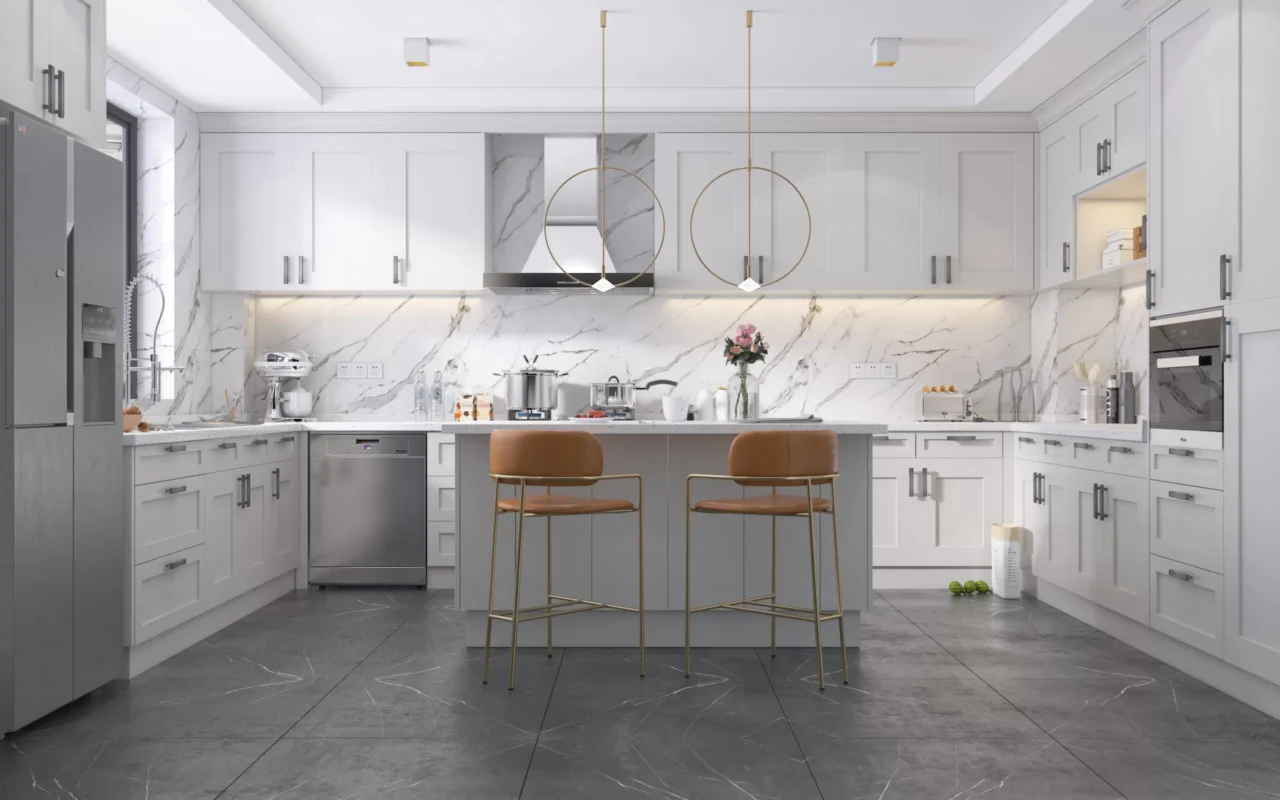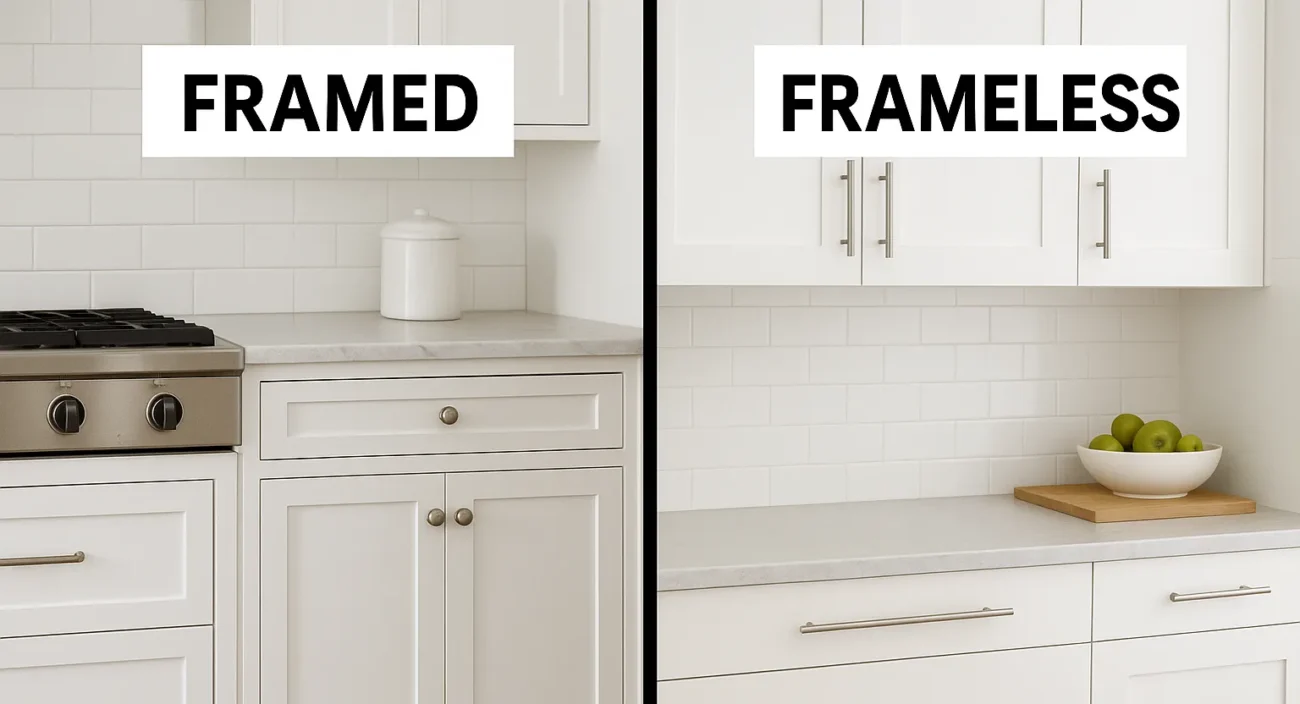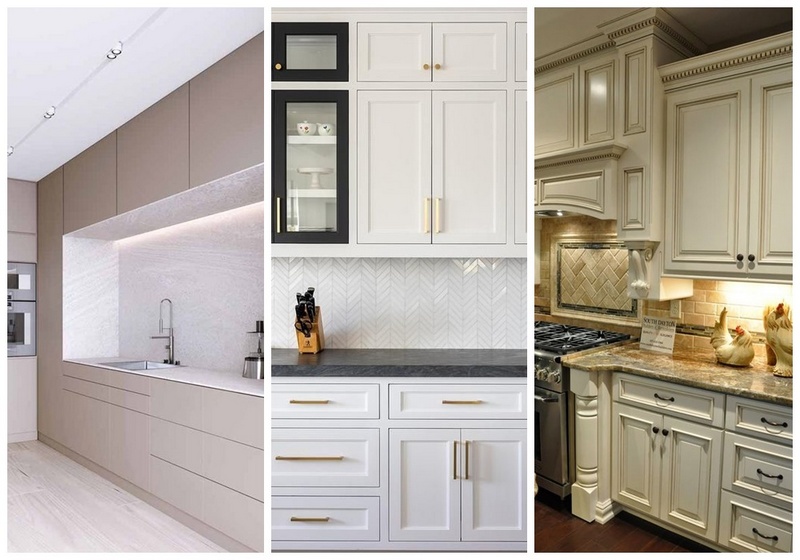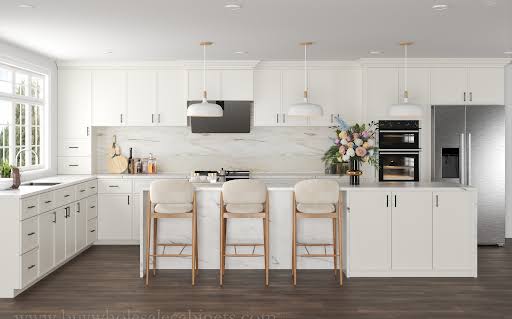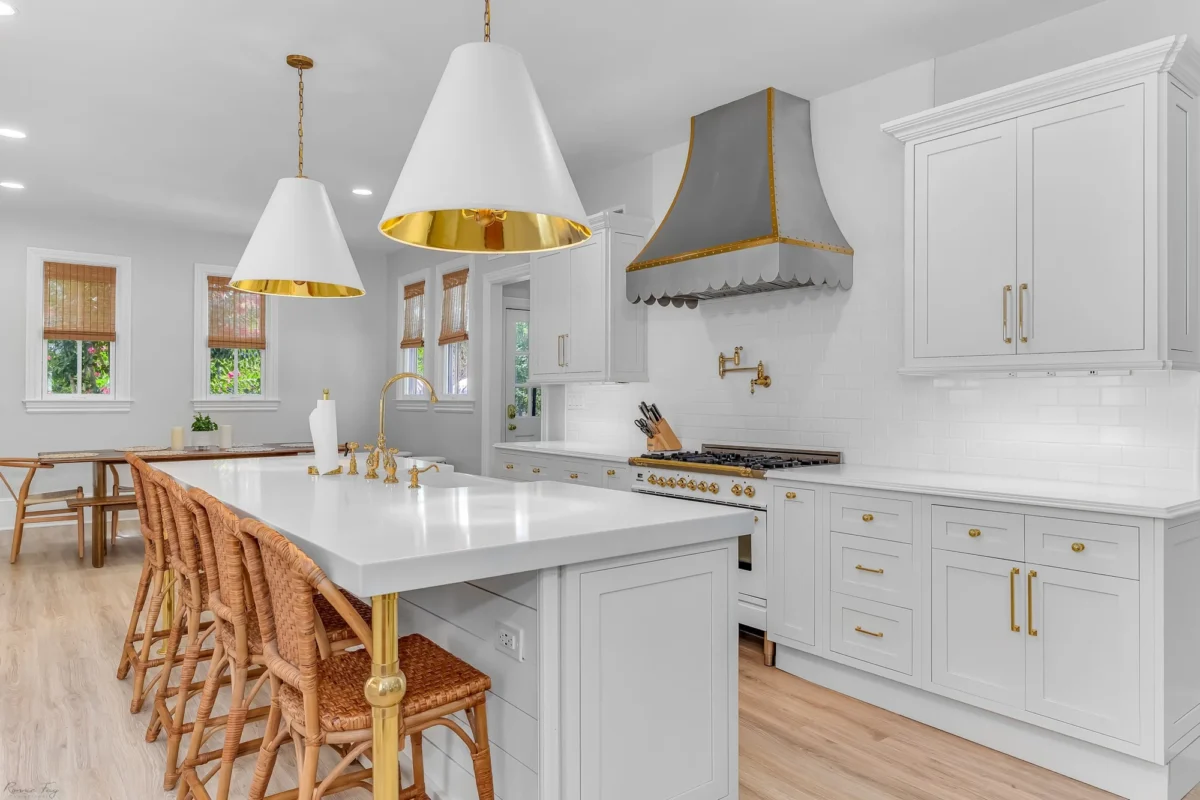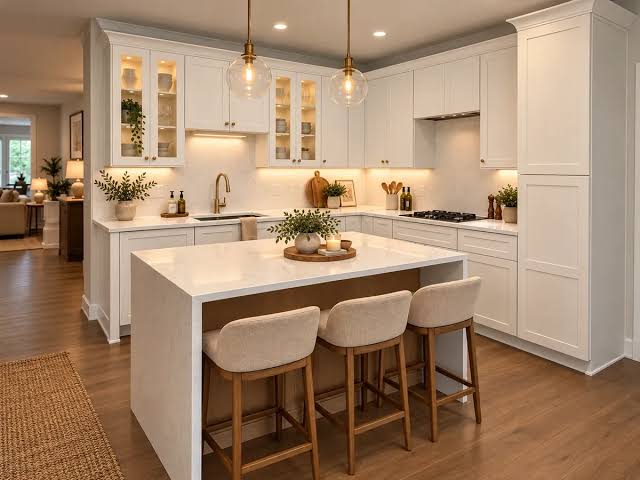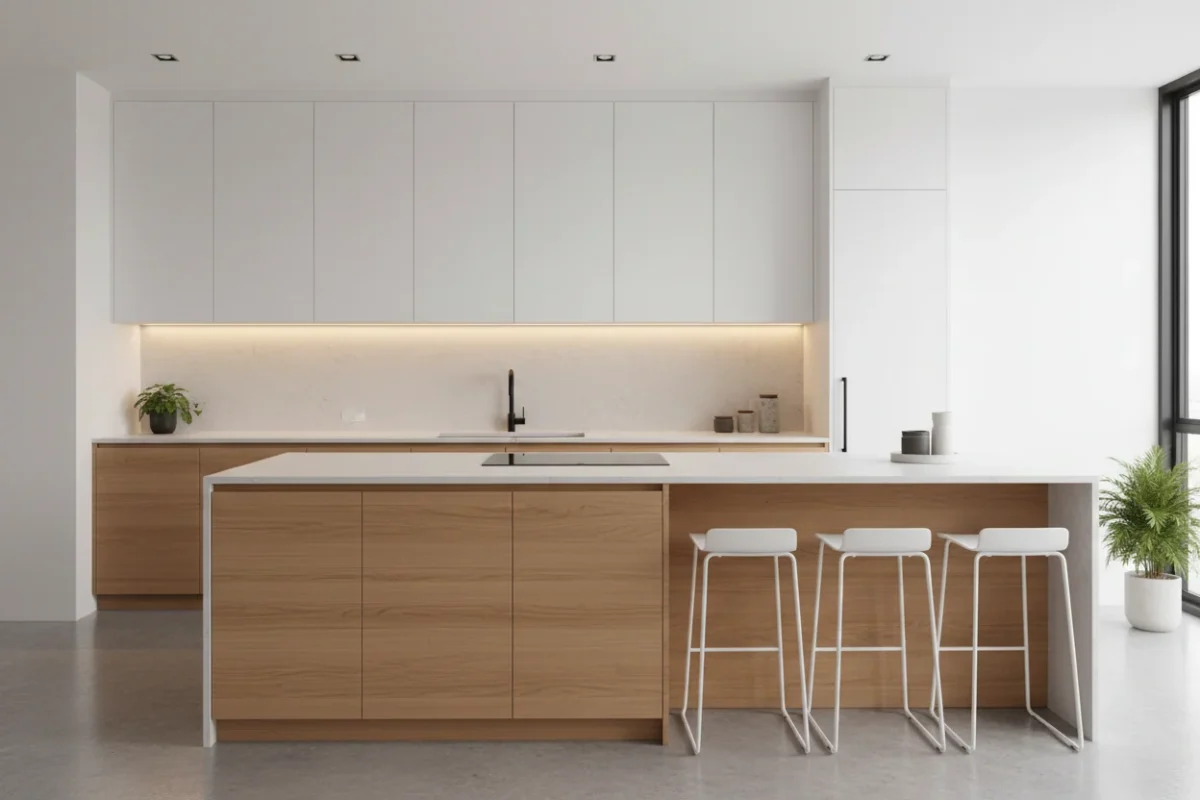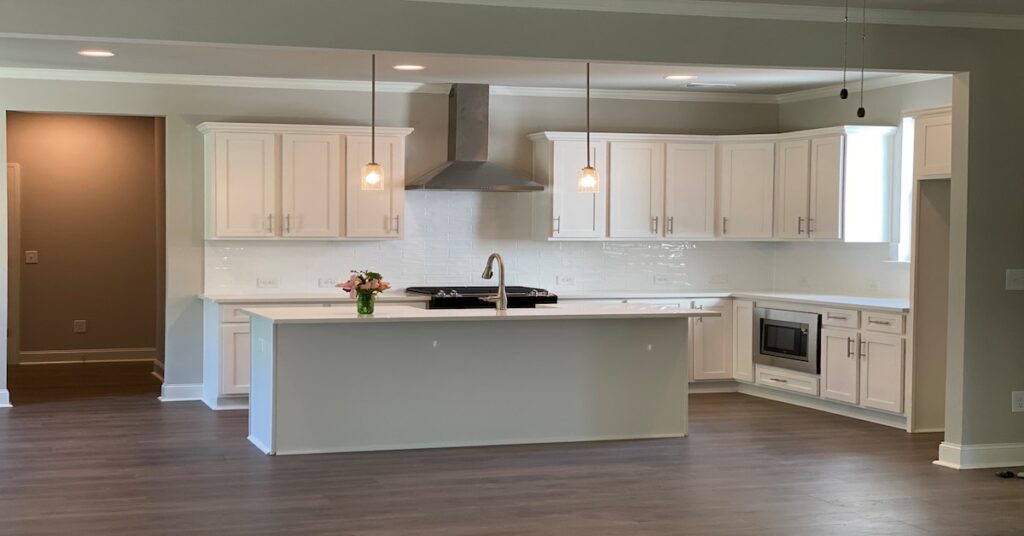

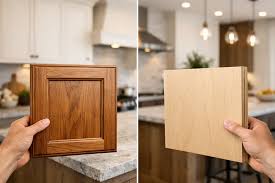
Choosing the right cabinet material is one of the most important decisions when renovating a kitchen. Homeowners often compare plywood kitchen cabinets with solid wood cabinets because both materials offer durability, attractive finishes, and long-term value. However, their construction, moisture resistance, maintenance requirements, and costs differ significantly.
Plywood kitchen cabinets are generally better for cabinet boxes because they offer excellent dimensional stability, strength, and resistance to everyday humidity changes. Solid wood remains an excellent choice for cabinet doors, frames, and decorative elements because of its natural beauty and refinishing potential. The best option depends on your kitchen environment, design preferences, and budget.
What Are Plywood Kitchen Cabinets?
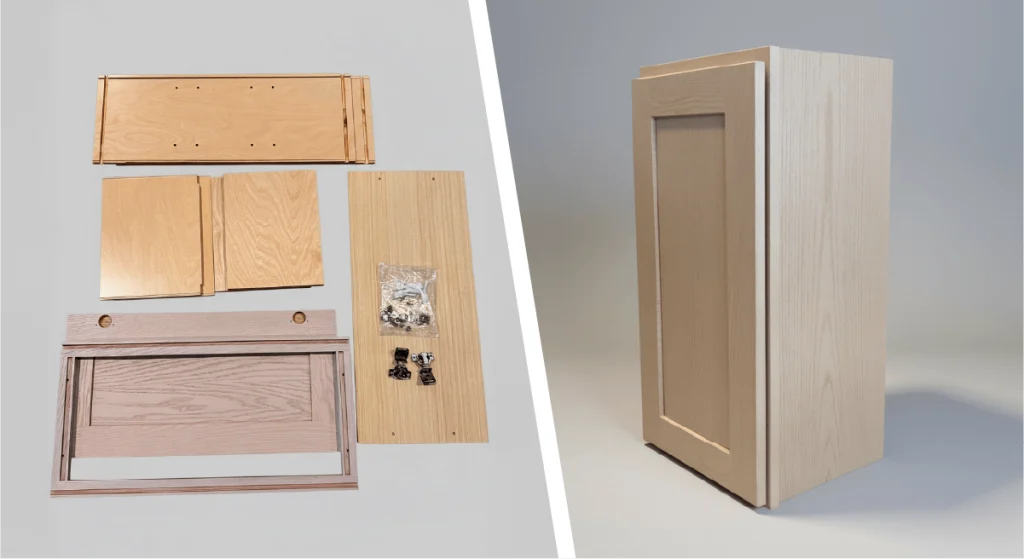
Plywood kitchen cabinets are manufactured using engineered wood panels made from thin layers of wood veneer bonded together. These layers typically have alternating grain directions, creating a strong, stable material suitable for cabinet construction.
High-quality cabinet-grade plywood provides reliable structural support while reducing the expansion and contraction commonly associated with solid wood.
Homeowners exploring Kitchen Cabinets in Hialeah often consider plywood construction because Florida's humidity makes material stability an important purchasing factor.
Key Benefits of Plywood Cabinets
- Strong construction suitable for everyday kitchen use.
- Good dimensional stability under changing humidity conditions.
- Reliable screw and hardware holding when properly manufactured.
- Multiple thickness and finish options.
- Excellent suitability for cabinet boxes, shelves, and structural panels.
Plywood quality varies considerably, making veneer grade, core construction, adhesive quality, and protective finishing important considerations.
What Are Solid Wood Kitchen Cabinets?
Solid wood cabinets use natural hardwood or softwood components rather than layered engineered panels. Popular hardwood choices include maple, oak, cherry, birch, and walnut.
Solid wood is particularly valued for its natural grain patterns, traditional appearance, and ability to be refinished.
However, wood naturally absorbs and releases moisture. These changes can cause expansion, contraction, warping, or movement when humidity fluctuates.
Solid wood is therefore commonly used for cabinet doors, face frames, and decorative components, while plywood is frequently preferred for larger cabinet panels.
Plywood vs. Solid Wood Kitchen Cabinets: Key Differences
Feature | Plywood Cabinets | Solid Wood Cabinets |
Construction | Layered wood veneers | Natural wood pieces |
Dimensional stability | Generally excellent | Expands and contracts |
Moisture performance | Good when protected | Sensitive to humidity changes |
Appearance | Depends on veneer or finish | Natural wood grain |
Maintenance | Usually straightforward | May require additional care |
Cost | Often economical for boxes | Often higher for comparable components |
Best applications | Cabinet boxes and shelves | Doors, frames, decorative details |
Neither material is automatically superior in every application. Construction quality, finishing, installation, and maintenance significantly influence cabinet performance.
Which Cabinet Material Performs Better in Florida's Humidity?
Florida kitchens frequently experience humidity fluctuations, making moisture management essential.
Plywood's cross-layered construction helps minimise dimensional movement compared with wide solid wood panels. This makes properly sealed plywood particularly practical for cabinet boxes.
Customers researching Plywood Kitchen Cabinets in Miami should prioritise moisture-resistant finishes, sealed edges, quality adhesives, and professional installation.
However, plywood is not waterproof. Prolonged leaks or standing water can damage veneers, adhesives, and cabinet structures.
Solid wood also performs well when properly finished and maintained, although seasonal expansion and contraction must be accommodated during construction.
For either material, preventing plumbing leaks and maintaining indoor humidity are essential.
Are Plywood Cabinets Stronger Than Solid Wood Cabinets?
Strength depends on the specific wood species, plywood grade, panel thickness, construction method, and direction of applied force.
Quality plywood offers excellent structural stability and performs particularly well in broad cabinet panels. Solid hardwood can provide exceptional strength in frames, rails, and other appropriately designed components.
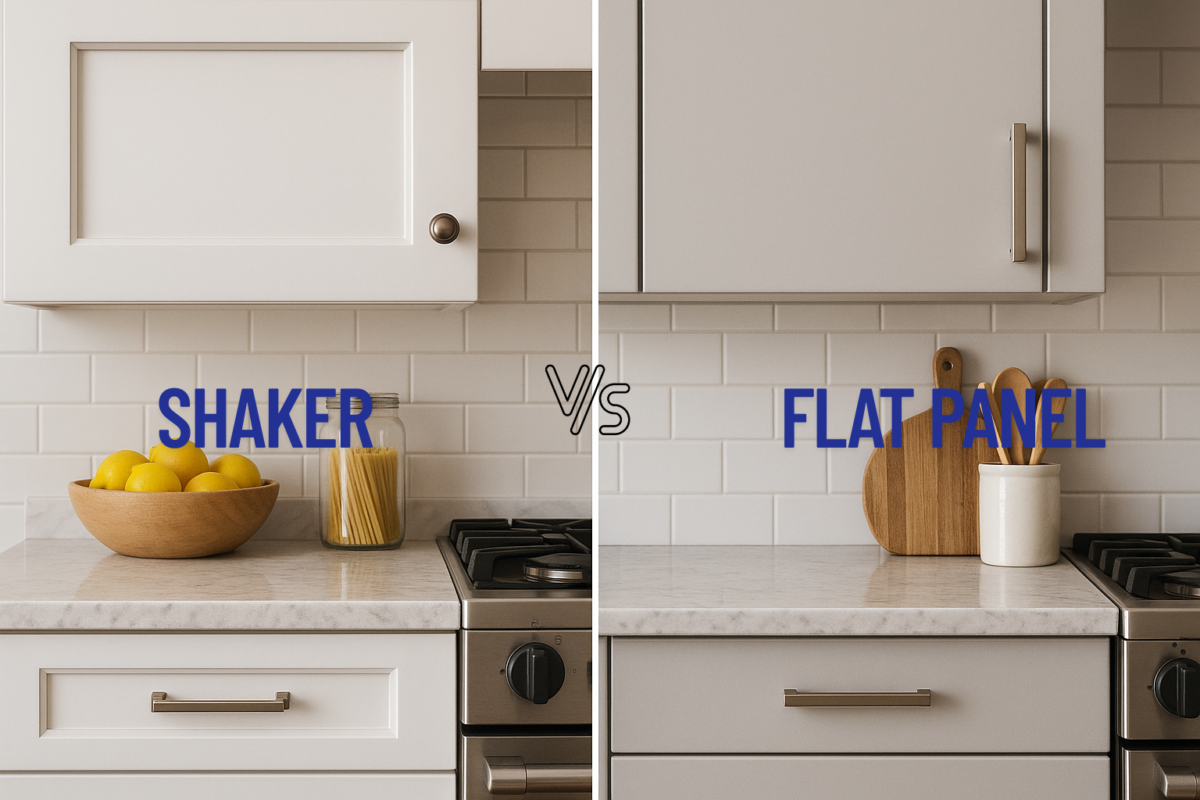
For homeowners purchasing Shaker Kitchen Cabinets in Orlando, a combination of plywood cabinet boxes and solid wood door frames can deliver practical durability alongside classic styling.
Proper joinery, reinforced corners, quality hinges, and accurate installation are equally important.
Which Material Offers Better Design Options?
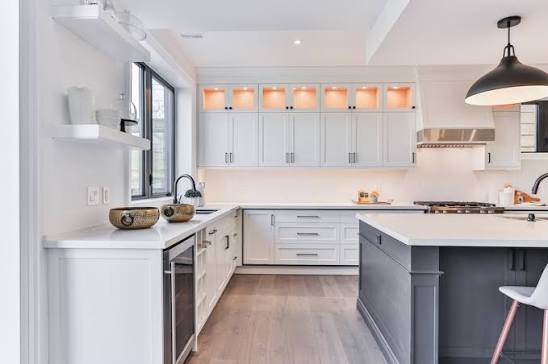
Both plywood and solid wood support numerous kitchen styles, including traditional, contemporary, transitional, and minimalist designs.
Solid wood provides authentic grain variation and can be stained to highlight its natural character.
Plywood cabinet boxes can support doors manufactured from solid wood, MDF, plywood, or other suitable materials.
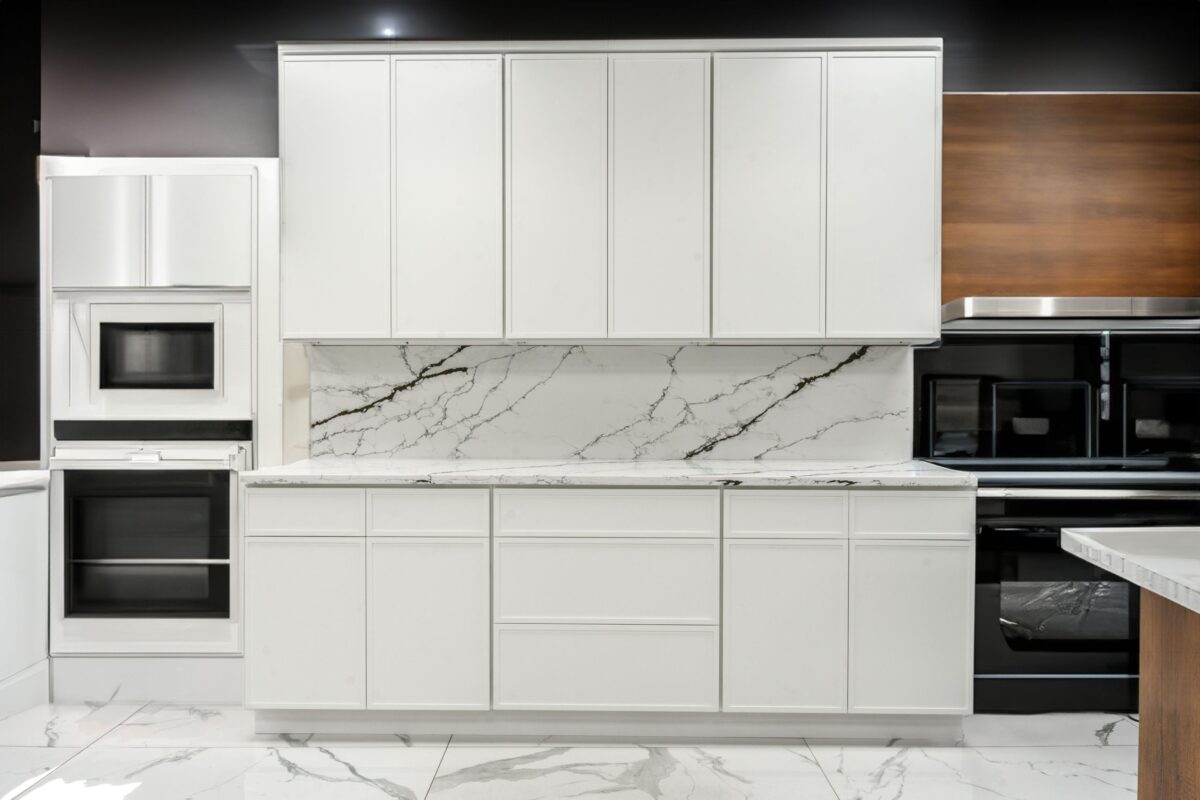
For example, homeowners considering Glossy Kitchen Cabinets in Brickell can achieve a sleek appearance using professionally finished cabinet fronts with durable plywood boxes.
Similarly, Textured Kitchen Cabinets in Miami can combine decorative woodgrain or textured surfaces with engineered cabinet construction.
The visible cabinet finish does not necessarily identify the material used inside the cabinet box.
Are Plywood Kitchen Cabinets More Affordable?
Plywood cabinet boxes are often more cost-effective than comparable solid wood panel construction, although pricing depends on material grade, thickness, manufacturing methods, and customisation.
Solid hardwood components may cost more because of lumber selection, machining, finishing, and labour requirements.
Contractors purchasing Wholesale Kitchen Cabinets in Miami should compare complete cabinet specifications rather than relying exclusively on advertised prices.
Important considerations include cabinet box thickness, door materials, drawer construction, hardware quality, finish warranties, and delivery costs.
A lower initial price does not always represent better long-term value.
How Long Do Plywood and Solid Wood Cabinets Last?
Well-manufactured cabinets made from either material can remain functional for decades when installed correctly and maintained appropriately.
Their lifespan depends on moisture exposure, hardware durability, construction quality, cleaning practices, and daily usage.
Plywood cabinets benefit from stable panel construction, while solid wood cabinets offer refinishing opportunities that can extend their aesthetic lifespan.
Customers searching for Wood Kitchen Cabinets Near Me should ask suppliers about cabinet materials, protective coatings, warranties, and replacement component availability.
What Should You Check Before Buying Kitchen Cabinets?
Before purchasing, inspect the actual cabinet construction rather than judging quality solely by appearance.
Look for appropriately thick cabinet panels, smooth finishes, secure joints, durable drawer systems, and properly sealed exposed edges.
Reputable Cabinet Suppliers in Hialeah should clearly explain whether their products feature plywood boxes, solid wood doors, engineered wood components, or combinations of materials.
Understanding these specifications helps buyers make informed comparisons.
Frequently Asked Questions
Are plywood cabinets waterproof?
No. Plywood can tolerate ordinary humidity when properly protected, but prolonged water exposure may cause swelling, delamination, or deterioration.
Are solid wood cabinets more expensive?
Solid wood components often cost more, although actual cabinet prices depend on species, construction, finish, and manufacturing quality.
Can plywood cabinets look luxurious?
Yes. Premium veneers, attractive cabinet doors, quality hardware, and professional finishing can create sophisticated kitchens.
Which material is best for cabinet boxes?
High-quality plywood is frequently preferred because it provides structural strength and dimensional stability.
Final Verdict: Which Should You Choose?
Plywood is generally the more practical choice for kitchen cabinet boxes, while solid wood remains highly desirable for doors and decorative details. Combining both materials can provide excellent durability, visual appeal, and value.
At Factory Direct Cabinets and Granite, homeowners, designers, and contractors can explore kitchen cabinet styles and material options suited to their renovation goals. Comparing construction specifications, finishes, and available cabinet collections helps ensure a confident purchasing decision.
Choosing quality materials and dependable installation ultimately matters more than selecting cabinets based on material names alone.