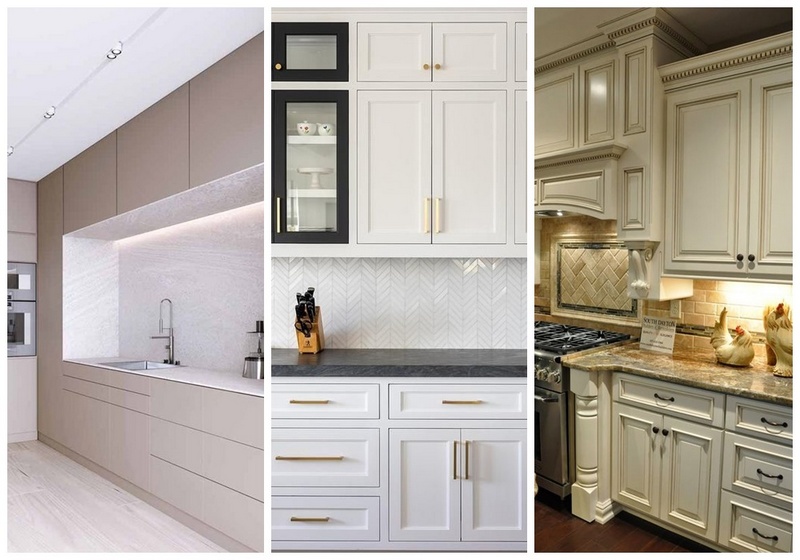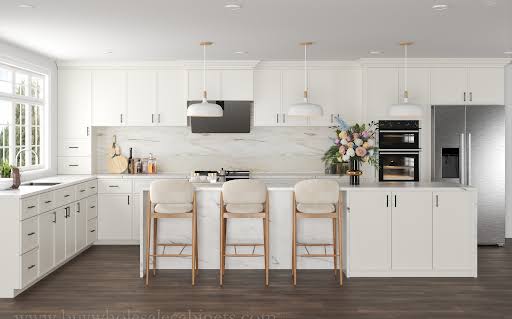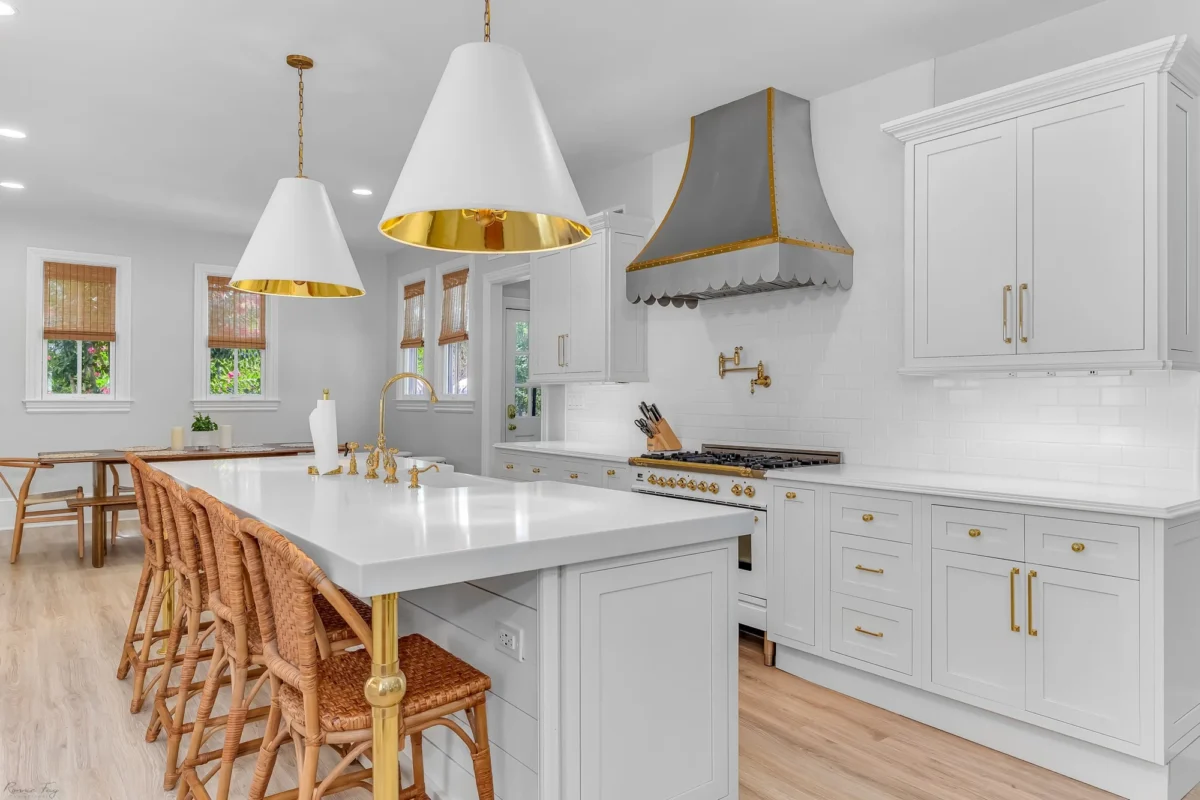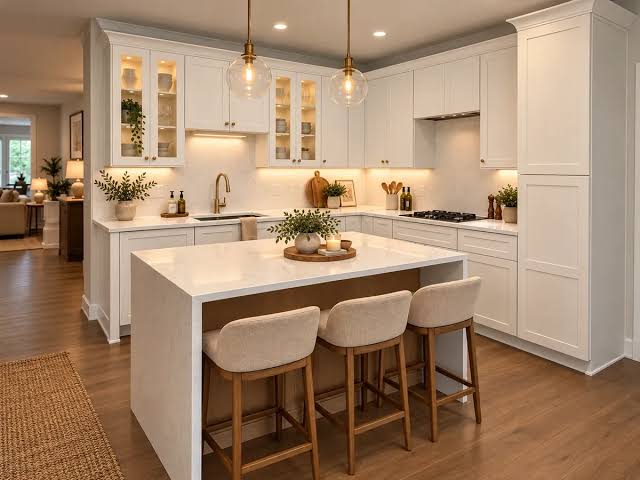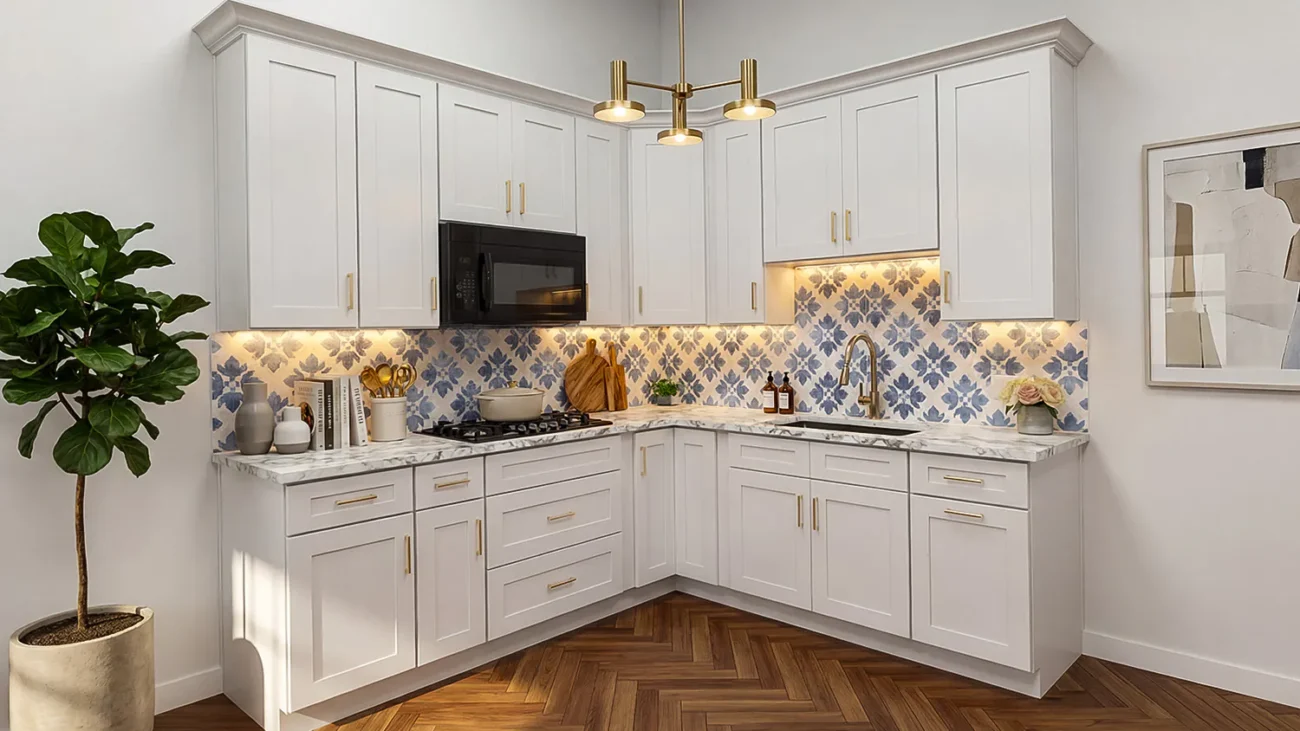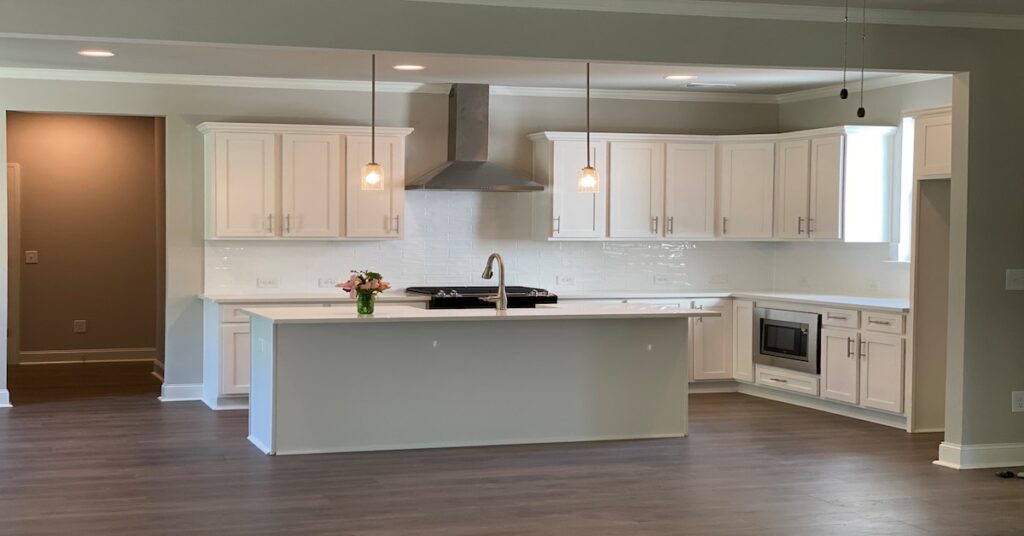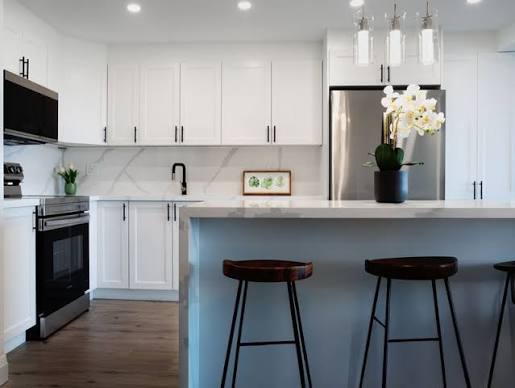

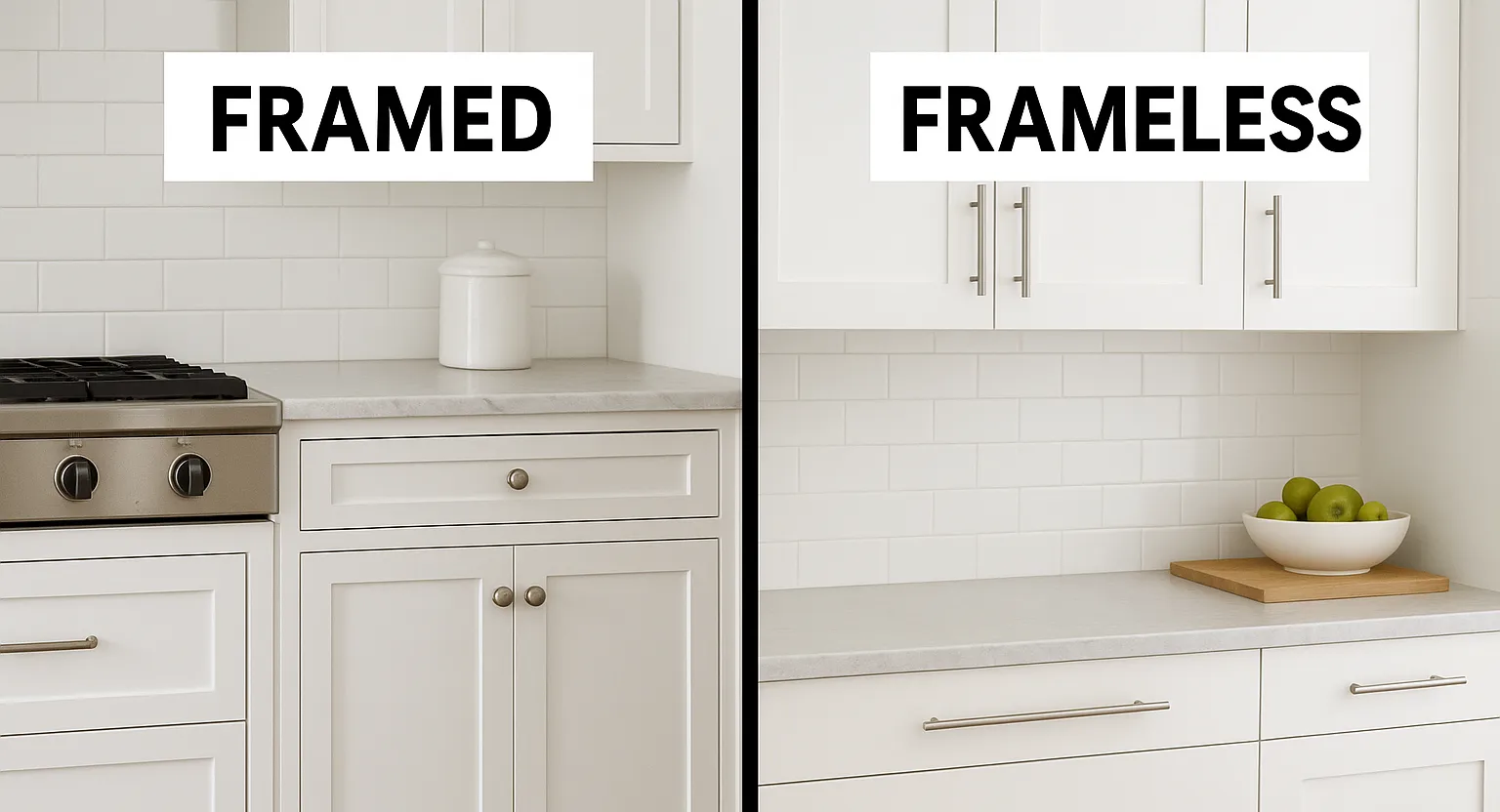
Choosing the right kitchen cabinets involves more than selecting colours, finishes, and door styles. Cabinet construction plays an important role in determining storage capacity, appearance, durability, and installation requirements. Two popular construction methods are Framed Kitchen Cabinets and Frameless Kitchen Cabinets.
Both options offer practical benefits, but understanding their differences helps homeowners, contractors, and designers make informed decisions. Whether renovating a traditional kitchen or creating a modern cooking space, knowing how these cabinets are built can help you choose the right solution.
What Are Framed Kitchen Cabinets?
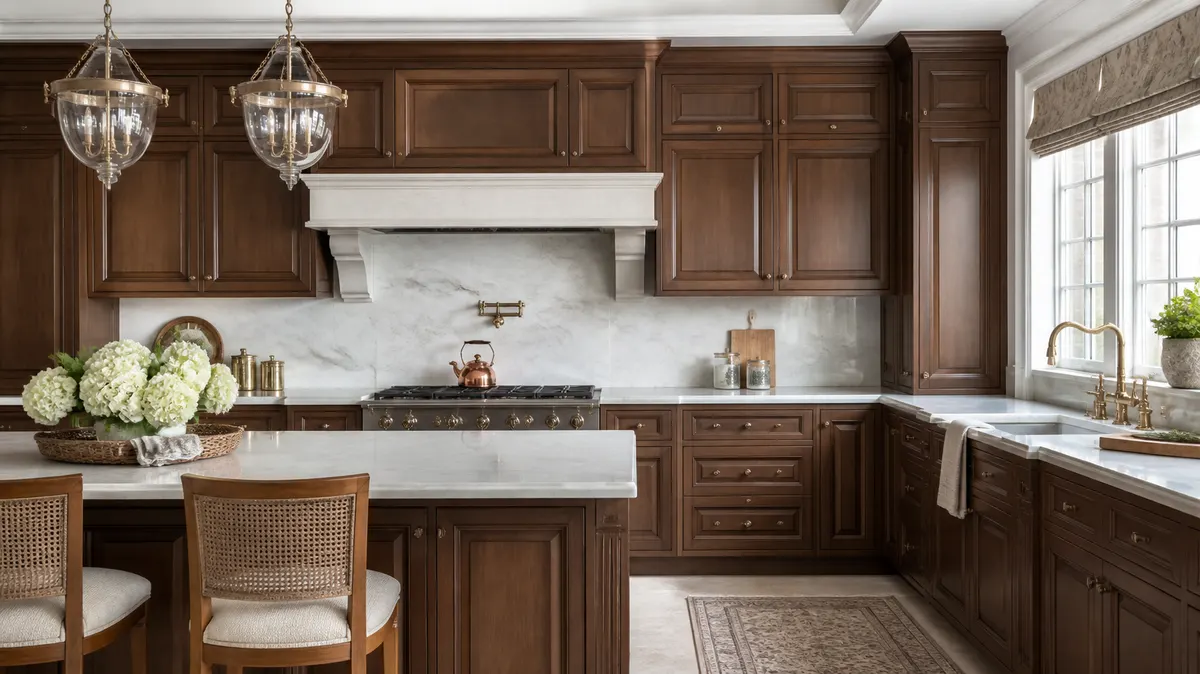
Framed Kitchen Cabinets feature a solid frame attached to the front of the cabinet box. This structure, commonly called a face frame, consists of horizontal and vertical pieces that reinforce the cabinet opening and provide mounting surfaces for doors and hardware.
Framed construction is widely associated with traditional American kitchen designs. However, framed cabinets can also complement contemporary interiors depending on their door styles and finishes.
Key Features of Framed Cabinets
- Face frame construction: A wooden frame surrounds the cabinet opening and provides structural support.
- Flexible door styles: Cabinets can feature full overlay, partial overlay, or inset doors.
- Traditional appearance: Framed construction works particularly well with classic and transitional kitchens.
- Installation considerations: The frame provides useful fastening surfaces, although installation requirements vary by manufacturer.
Homeowners exploring Shaker Kitchen Cabinets in Kendall may find framed construction appealing because Shaker doors complement both traditional and transitional kitchen designs.
What Are Frameless Kitchen Cabinets?
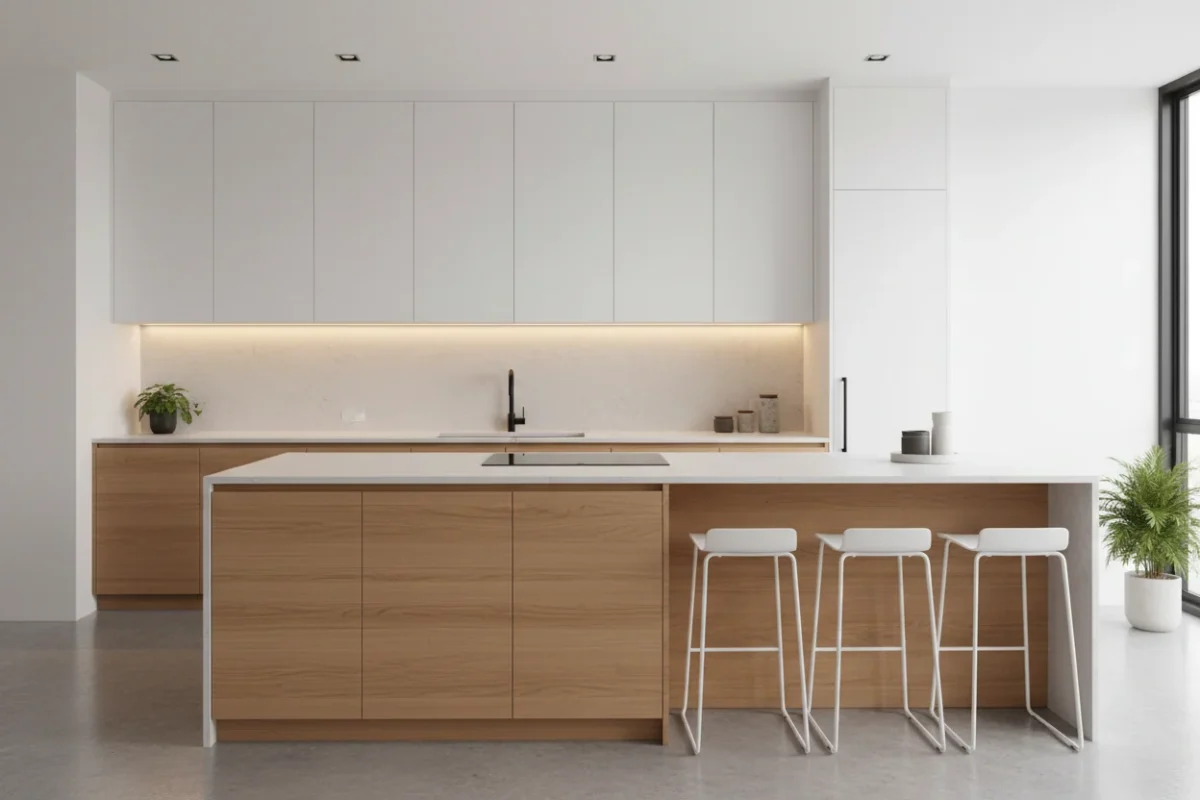
Frameless Kitchen Cabinets, often called European-style cabinets, are constructed without a face frame. Instead, cabinet doors attach directly to the cabinet box using compatible concealed hinges.
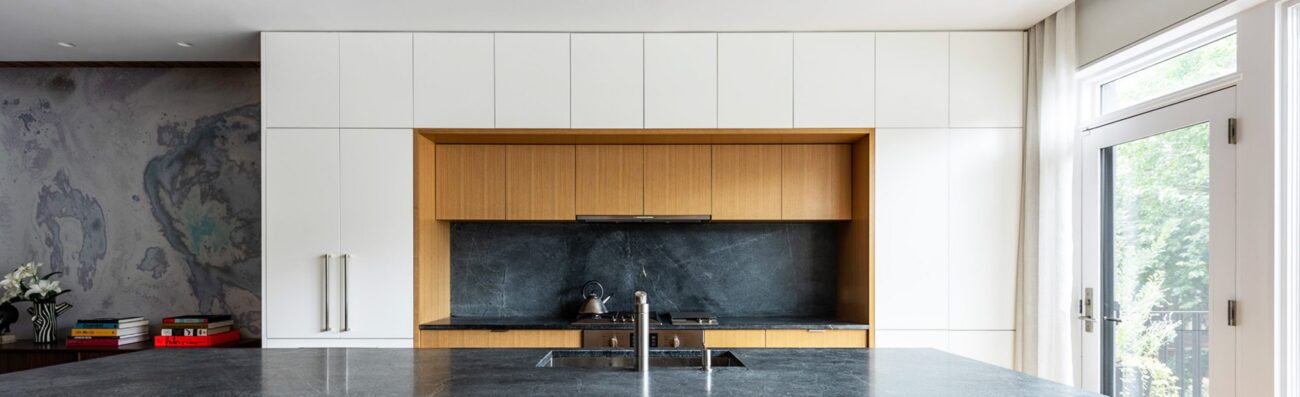
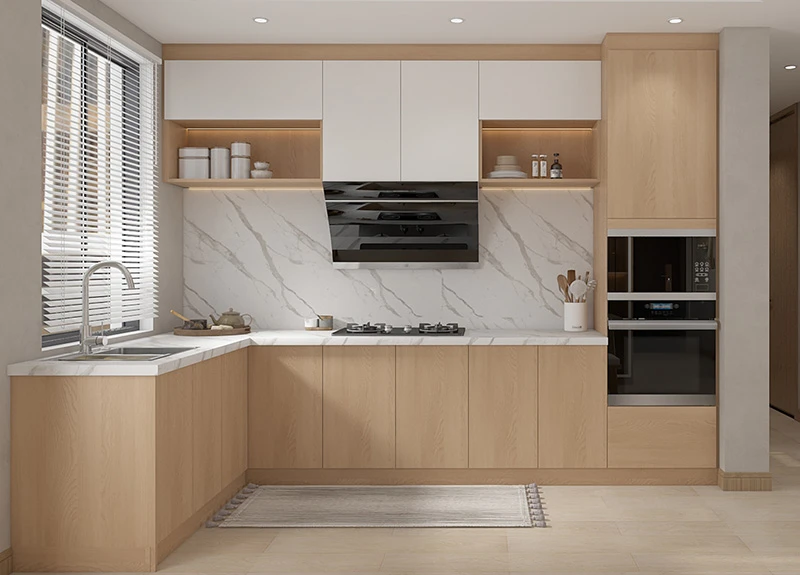
This construction creates a streamlined appearance with minimal visible cabinet structure. Frameless cabinets are frequently selected for modern kitchens because they support clean lines, full-overlay doors, and efficient interior access.
Key Features of Frameless Cabinets
- No front face frame: Cabinet openings remain unobstructed by additional framing.
- Modern appearance: Full-overlay doors create a smooth, continuous visual effect.
- Accessible storage: Wider cabinet openings can make organising cookware and kitchen essentials easier.
- Precision manufacturing: Accurate panel construction and hardware adjustment are important for proper alignment.
Customers considering Textured Kitchen Cabinets in Brickell often appreciate how frameless construction complements woodgrain textures, matte surfaces, and contemporary cabinet finishes.
Framed vs. Frameless Kitchen Cabinets: Key Differences
Understanding the construction differences makes comparing cabinet options easier.
Feature | Framed Cabinets | Frameless Cabinets |
Construction | Includes a front face frame | No front face frame |
Appearance | Traditional or transitional | Modern and streamlined |
Door options | Inset and multiple overlay styles | Typically full-overlay doors |
Storage access | Frame may restrict openings | Generally wider openings |
Hardware | Frame-mounted or compatible hinges | Cabinet-side-mounted hinges |
Installation | Frame assists with fastening | Requires accurate box alignment |
Cost | Depends on materials and design | Depends on materials and hardware |
Neither construction method is automatically superior. Quality depends on cabinet materials, manufacturing standards, hardware, and professional installation.
Which Cabinet Style Offers Better Storage?
Storage efficiency is an important consideration when choosing kitchen cabinetry.
Frameless cabinets generally provide wider usable openings because there is no face frame extending into the cabinet entrance. This difference can make accessing large cookware, storage containers, and pullout accessories more convenient.
Framed cabinets can still offer excellent storage through thoughtfully designed drawers, shelves, and organisational accessories.
When shopping for Kitchen Cabinets in Hialeah, homeowners should compare interior dimensions rather than relying only on exterior cabinet measurements.
Cabinet depth, drawer construction, shelving arrangements, and available accessories often influence everyday usability more than the construction style alone.
Are Framed or Frameless Cabinets More Durable?
Both cabinet types can provide long-lasting performance when manufactured using suitable materials and installed correctly.
Framed cabinets benefit from the additional front structure, which can help maintain cabinet rigidity. Frameless cabinets rely more heavily on properly engineered cabinet panels, strong connections, and accurate assembly.
Material selection is equally important. Plywood, engineered wood, and other cabinet-grade materials have different characteristics regarding moisture resistance, strength, and maintenance.
For Florida homes, humidity management and protection against water exposure are particularly important.
Customers searching for Wood Kitchen Cabinets Near Me should examine cabinet box materials, edge sealing, hinge quality, and manufacturer specifications before purchasing.
Which Construction Works Best for Modern Kitchens?
Frameless cabinets are particularly popular in modern kitchen designs because their minimal construction supports uninterrupted cabinet surfaces.
They pair effectively with flat-panel doors, integrated handles, and contemporary finishes.
For example, Glossy Kitchen Cabinets in Miami can create a sleek appearance when combined with frameless construction and carefully aligned doors.
Framed cabinets remain a strong option for homeowners who prefer decorative detailing, visible craftsmanship, or traditional cabinet proportions.
Importantly, cabinet construction does not determine door appearance entirely. Shaker doors, for example, can be used with either framed or frameless cabinet systems.
The final design should reflect personal preferences, available space, and practical storage requirements.
Are Frameless Kitchen Cabinets More Expensive?
Frameless cabinets are not necessarily more expensive than framed cabinets.
Pricing depends on cabinet materials, manufacturing methods, door finishes, hardware, accessories, and supplier pricing structures.
Some frameless systems require specialised hardware and precise manufacturing, while certain framed cabinets involve additional craftsmanship or decorative components.
Contractors researching Wholesale Kitchen Cabinets in Miami should compare complete cabinet packages rather than individual cabinet prices.
A meaningful comparison should include cabinet boxes, doors, drawers, hinges, shelves, fillers, panels, toe kicks, and delivery requirements.
This approach helps prevent unexpected expenses during installation.
Can You Buy Framed and Frameless Cabinets Ready to Assemble?
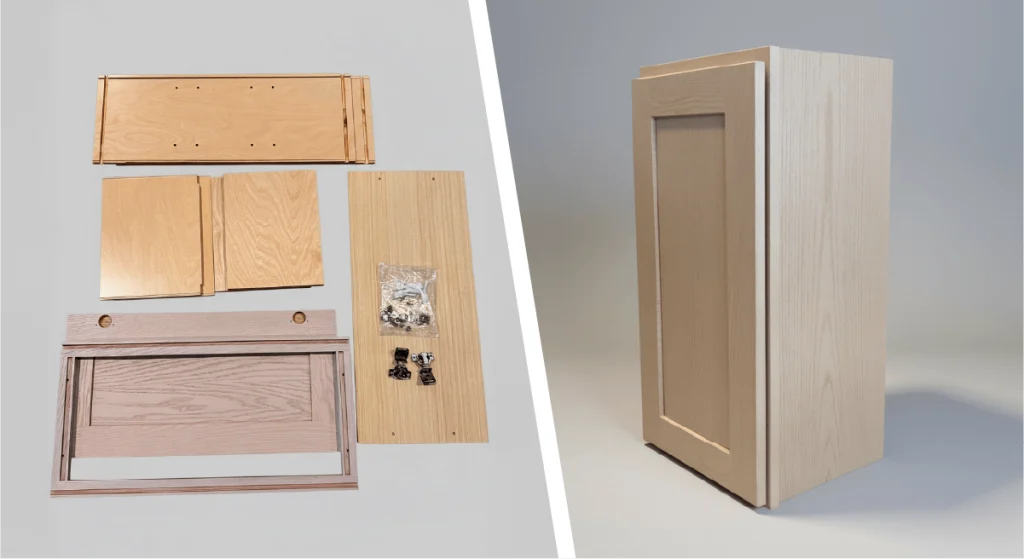
Yes. Both construction styles may be available as ready-to-assemble cabinets, depending on the manufacturer.
Ready-to-assemble cabinets are delivered as separate components that require assembly before installation.
Homeowners comparing RTA Kitchen Cabinets in Orlando should review assembly instructions, material specifications, hardware compatibility, and warranty conditions.
Proper assembly is essential because poorly secured connections or misaligned components can affect cabinet performance.
Professional installation may also help achieve consistent door alignment and secure mounting.
How Do You Choose the Right Cabinets for Your Kitchen?
Before making a final decision, consider your kitchen layout, preferred appearance, storage requirements, and renovation budget.
Framed cabinets may suit homeowners seeking traditional styling, inset doors, or classic Shaker designs.
Frameless cabinets may appeal to those prioritising modern aesthetics, wider cabinet openings, and streamlined storage solutions.
At Factory Direct Cabinets & Granite, customers can explore kitchen cabinet styles and finishes suited to different renovation preferences.
Reviewing cabinet construction, measurements, materials, and accessories before ordering helps ensure the selected products match project requirements.
Frequently Asked Questions
Are frameless cabinets weaker than framed cabinets?
Not necessarily. Well-manufactured frameless cabinets can provide excellent durability when appropriate materials, connections, and hardware are used.
Do frameless cabinets provide more storage?
They generally offer wider access openings, although actual storage capacity depends on cabinet dimensions and interior accessories.
Can Shaker doors be installed on frameless cabinets?
Yes. Shaker-style doors are compatible with many frameless cabinet systems.
Which cabinets are easier to clean?
Both are manageable. Frameless cabinets have fewer front-frame surfaces, while cleaning requirements depend primarily on finishes and hardware.
Final Thoughts
Choosing between framed and frameless kitchen cabinets depends on construction preferences, design goals, storage needs, and budget.
Framed cabinets offer classic versatility, while frameless cabinets provide streamlined styling and accessible interiors.
Understanding these differences helps homeowners select cabinetry that balances appearance, functionality, and long-term performance.
Factory Direct Cabinets & Granite offers cabinet options for homeowners, designers, and contractors exploring practical kitchen renovation solutions.