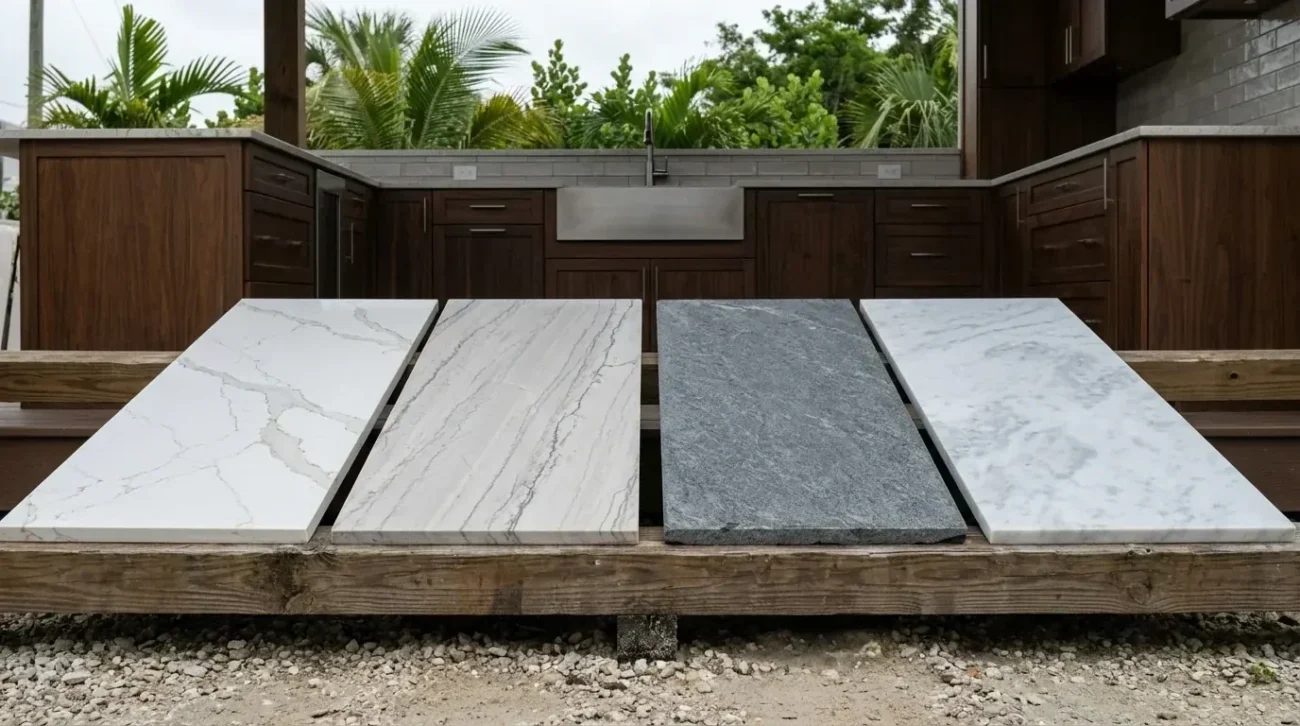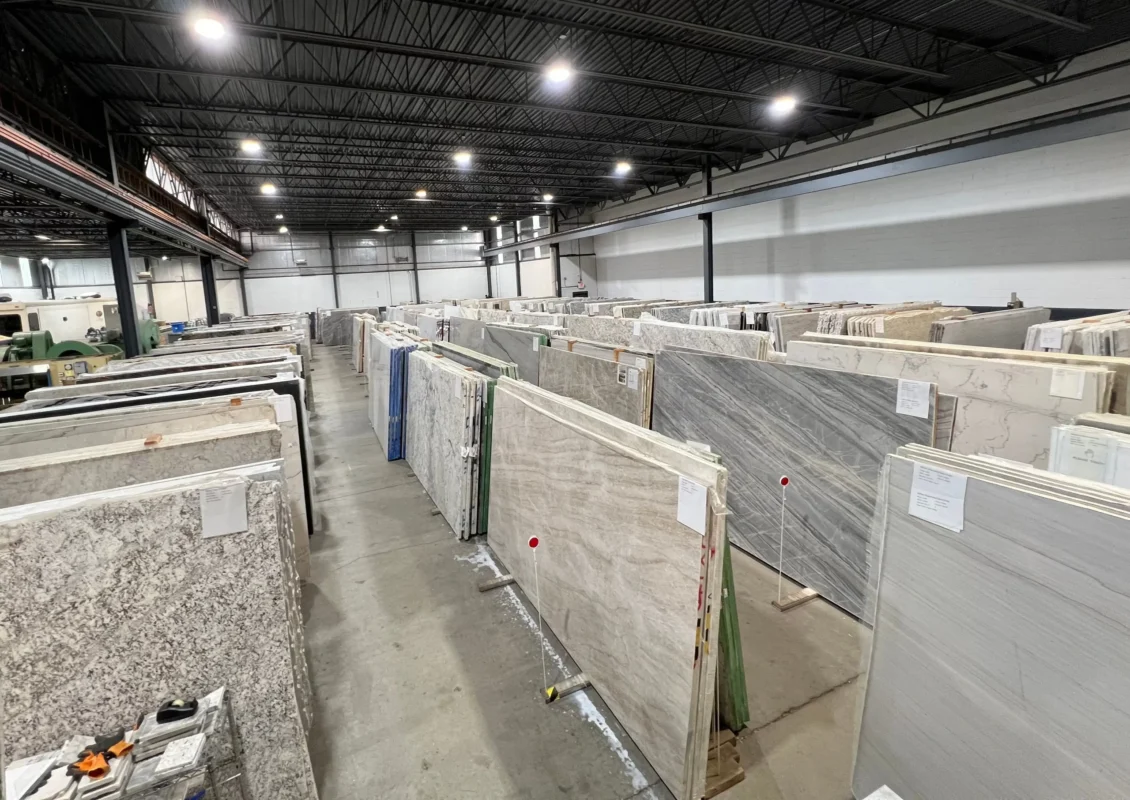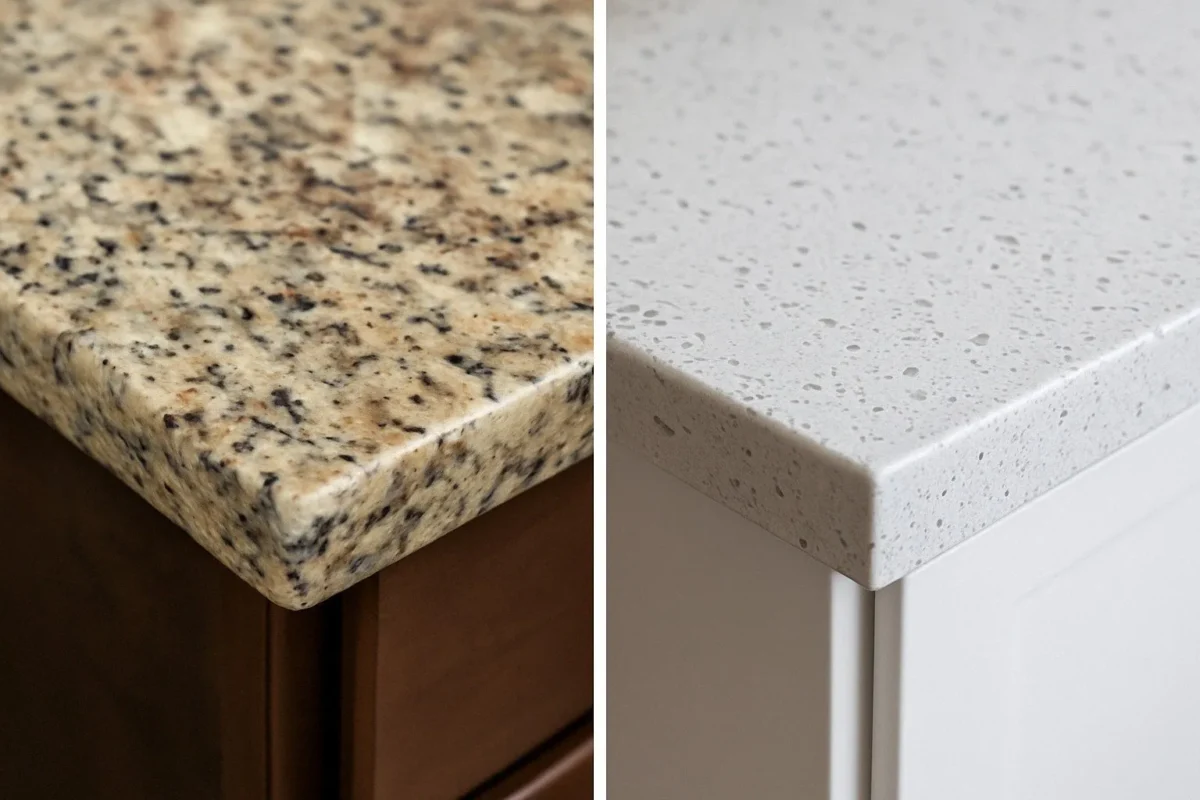


Buying countertop slabs in bulk can help contractors manage project costs, maintain material availability, and complete multiple kitchen or bathroom renovations efficiently. However, purchasing large quantities without inspecting material quality, dimensions, and supplier reliability can create expensive problems during fabrication and installation.
Before placing a bulk order, contractors should evaluate slab quality, material consistency, thickness, dimensions, pricing, storage requirements, and delivery arrangements. These factors directly influence installation accuracy, project timelines, and customer satisfaction.
Whether purchasing Countertop Slabs in Orlando or sourcing materials for projects throughout South Florida, understanding the following considerations can help contractors make informed purchasing decisions.
Why Is Countertop Slab Quality Important When Buying in Bulk?
Material quality should always be the first consideration when purchasing countertop slabs in large quantities.
Contractors should inspect slabs for visible cracks, chips, surface defects, discolouration, and inconsistent finishes before approving an order.
Important inspection points include:
- Surface consistency and overall appearance.
- Visible cracks, fissures, or structural weaknesses.
- Uniform thickness and properly finished surfaces.
- Damage along slab edges and corners.
- Manufacturer identification and material specifications.
Natural stones may contain veins, mineral variations, and geological characteristics that are not necessarily defects.
Contractors sourcing Quartzite Countertops in Hollywood should distinguish natural stone features from damage that could affect fabrication or installation.
Whenever possible, inspect the actual slabs rather than relying entirely on showroom samples.
How Should Contractors Compare Different Countertop Materials?
Different countertop materials offer different performance characteristics, maintenance requirements, and price ranges.
Understanding these differences helps contractors select appropriate products for residential and commercial projects.
Quartz Countertops
Engineered quartz generally offers consistent patterns, low maintenance, and good resistance to everyday staining.
Contractors purchasing Quartz Countertops in Kendall should compare manufacturer specifications, warranty conditions, available colours, and heat exposure limitations.
Granite Countertops
Granite provides natural patterns, durability, and strong resistance to normal kitchen wear.
When sourcing a Granite Countertop in Pembroke Pines, contractors should inspect porosity, finish quality, and any recommended sealing requirements.
Marble Countertops
Marble offers distinctive veining and a classic appearance but requires additional care because acidic substances can etch its surface.
Contractors purchasing Marble Countertops in Aventura should explain maintenance expectations to customers before installation.
Quartzite Countertops
Quartzite is a natural stone valued for its appearance and hardness, although characteristics vary between slabs.
Verifying material identification is important because some stones marketed as quartzite may have different performance properties.
Why Should Contractors Verify Slab Dimensions and Thickness?
Countertop slabs are available in different lengths, widths, and thicknesses.
Contractors should confirm actual dimensions before calculating material requirements or submitting bulk orders.
Common countertop thicknesses include approximately 2 cm and 3 cm, depending on material and availability.
Important measurements include:
- Usable slab length and width.
- Actual material thickness.
- Required countertop overhang.
- Sink and cooktop cutout locations.
- Fabrication allowances and seam placement.
For large kitchen islands, slab dimensions become especially important because insufficient material may require additional seams.
Contractors comparing Countertop Suppliers in Orlando should request accurate slab specifications rather than assuming every supplier carries identical sizes.
How Can Contractors Maintain Colour and Pattern Consistency?
Colour and pattern consistency become important when purchasing multiple slabs for the same project.
Natural granite, marble, and quartzite can display noticeable differences even when slabs share the same commercial name.
Contractors should inspect consecutive slabs from the same block whenever visual continuity matters.
For engineered quartz, checking production batch information can help reduce noticeable colour differences.
Before purchasing Wholesale Countertops in Miramar, contractors should confirm whether matching slabs are available for projects requiring multiple countertop sections.
Photographing slab identification numbers and documenting approved selections can also reduce misunderstandings during fabrication.
What Pricing Details Should Contractors Review Before Ordering?
Bulk pricing should be evaluated beyond the advertised cost per square foot.
A lower material price does not automatically mean a lower completed project cost.
Contractors should request written quotations identifying:
- Price per slab or square foot.
- Minimum order quantities.
- Available volume discounts.
- Transportation and unloading charges.
- Applicable taxes.
- Return and cancellation policies.
- Charges for damaged or replacement materials.
Fabrication, edge finishing, sink cutouts, and installation may be quoted separately.
Comparing the complete purchasing cost helps contractors protect project margins and avoid unexpected expenses.
Why Are Supplier Inventory and Availability Important?
Reliable inventory is essential when contractors manage several projects simultaneously.
A supplier may offer competitive pricing but lack sufficient matching material for a large order.
Before confirming a purchase, contractors should verify available quantities, reservation periods, and replenishment expectations.
When searching for Countertop Stores Near Me, contractors should prioritise suppliers that provide clear inventory information and dependable communication.
Working with an established wholesale supplier can simplify material selection and purchasing coordination across multiple projects.
What Should Contractors Know About Transportation and Storage?
Countertop slabs require careful handling because their weight and dimensions create transportation risks.
Improper loading, unloading, or storage can result in cracking, edge damage, and material loss.
Contractors should confirm that transportation providers use suitable stone-handling equipment and secure slabs appropriately.
Storage areas should provide stable support, suitable racks, and protection from accidental impact.
Handling procedures should follow material-specific safety requirements, particularly when moving large or fragile slabs.
Contractors should also confirm responsibility for damage occurring during transportation or unloading.
How Can Contractors Reduce Material Waste During Fabrication?
Material waste affects the profitability of countertop projects.
Before purchasing slabs, contractors should prepare accurate countertop measurements and review fabrication layouts.
Digital templating and cutting plans can help determine how many slabs are required.
Important considerations include:
- Direction of natural stone veining.
- Sink and appliance cutout placement.
- Countertop seam locations.
- Waterfall edge requirements.
- Usable remnants from previous cuts.
Careful planning helps contractors avoid unnecessary purchases while maintaining acceptable visual results.
Why Should Contractors Check Supplier Policies and Support?
Supplier policies can influence project scheduling, warranty claims, and material replacement.
Before placing a bulk order, contractors should understand inspection deadlines, damage reporting procedures, and return eligibility.
They should also verify whether selected slabs can be reserved until fabrication begins.
At Factory Direct Cabinets and Granite, contractors and renovation professionals can explore wholesale countertop materials, including granite, quartz, marble, and quartzite options.
Comparing available materials and confirming project requirements before purchasing can support more efficient renovation planning.
Frequently Asked Questions
Is buying countertop slabs in bulk cheaper?
Bulk purchasing may reduce material costs, depending on supplier pricing, quantities, transportation, and storage expenses.
Should contractors inspect every slab?
Yes. Individual inspection helps identify damage, dimensional differences, and visible pattern variations before fabrication.
Which countertop material is best for bulk purchasing?
The best material depends on project requirements, customer preferences, maintenance expectations, and budget.
Can contractors mix slabs from different batches?
They can, but colour and pattern differences should be evaluated carefully before using them together.
Conclusion
Purchasing countertop slabs in bulk requires more than comparing prices. Contractors should carefully evaluate material quality, dimensions, consistency, supplier inventory, transportation arrangements, and fabrication requirements.
By inspecting slabs, documenting specifications, and understanding purchasing policies, contractors can reduce material waste, control expenses, and improve project efficiency.
Working with a reliable wholesale supplier such as Factory Direct Cabinets and Granite can help contractors explore suitable countertop options while planning kitchen and bathroom renovation projects with greater confidence.