
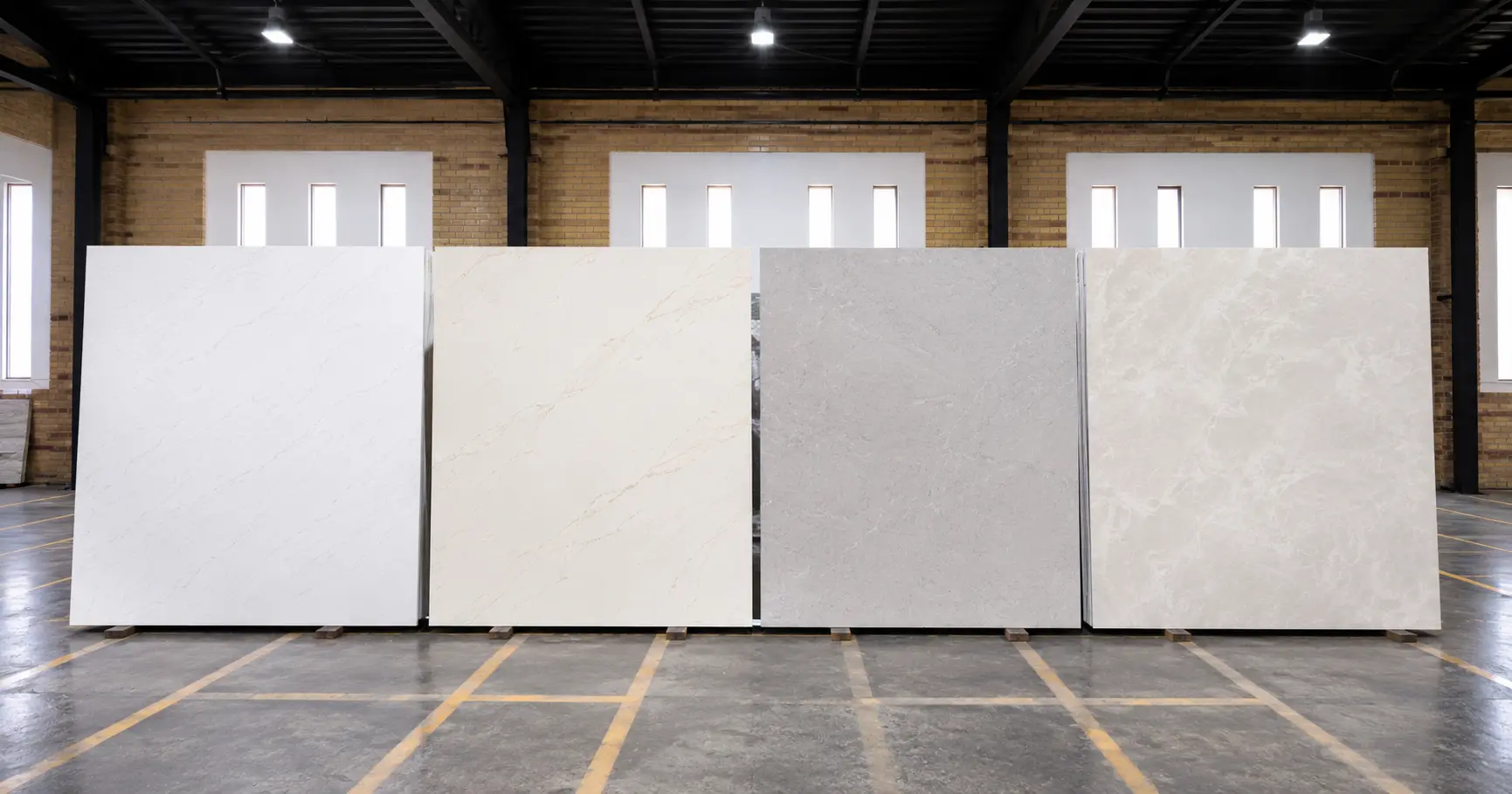
Choosing a countertop slab is one of the most important decisions when designing or upgrading a kitchen. While beautiful colours, patterns, and finishes attract attention, the quality of the stone underneath is equally important. Some countertop slabs may contain hidden cracks, structural weaknesses, resin repairs, or manufacturing defects that are difficult to identify during a quick showroom inspection.
At Factory Direct Cabinets & Granite, we understand that choosing the right countertop involves more than appearance. We offer a wide selection of natural and engineered stone countertops, with an emphasis on material quality, selection, and value. Whether homeowners are exploring Countertops in Aventura or comparing different stone materials, understanding how to identify potential defects can help them make informed purchasing decisions.
This guide explains the warning signs of countertop slab defects, how to inspect different stone materials, and what questions to ask before purchasing.
What Are Hidden Defects in Countertop Slabs?
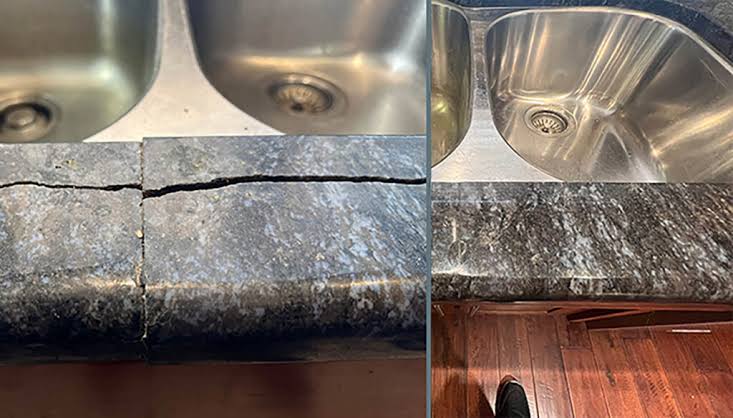
Hidden countertop defects are imperfections that may affect a slab's structural integrity, appearance, or long-term performance but are not immediately visible.
Common examples include:
- Hairline cracks: Small fractures that may become more noticeable during fabrication or installation.
- Structural weaknesses: Areas that may be more vulnerable to breaking under stress.
- Resin-filled repairs: Previously treated cracks or cavities that require closer evaluation.
- Uneven thickness: Variations that may complicate fabrication or installation.
- Surface imperfections: Pits, chips, scratches, or polishing inconsistencies.
- Internal fissures: Natural stone features that require professional assessment to determine whether they affect strength.
Not every visible line or natural variation is a defect. Many natural stones contain veins, mineral deposits, and fissures that contribute to their unique appearance.
The important distinction is whether an imperfection affects the slab's durability, safety, or intended use.
Inspect the Countertop Slab Under Proper Lighting
Lighting plays an important role in identifying countertop imperfections.
A slab may appear flawless under dim showroom lighting but reveal scratches, surface irregularities, or repairs when examined under brighter light.
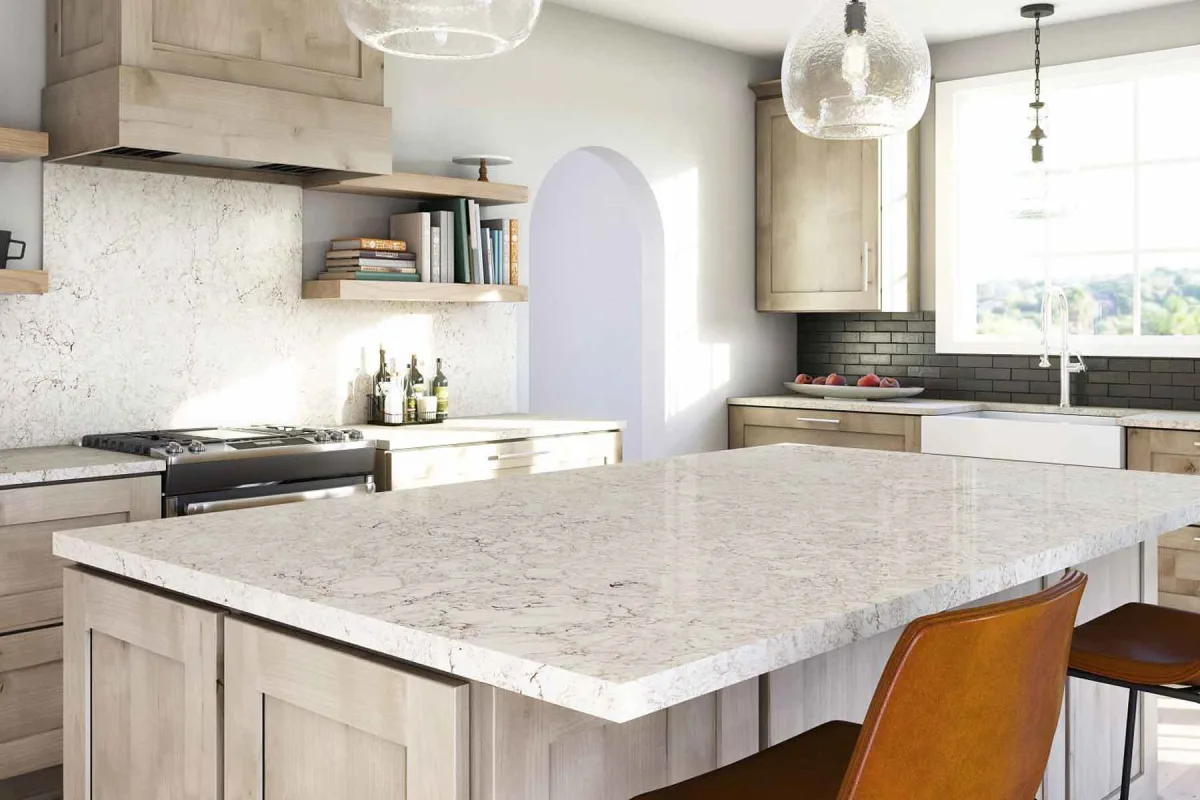
When inspecting Quartz Countertops in Kendall, look at the surface from several angles to identify inconsistencies in the finish.
Pay attention to:
- Unusual dull or cloudy areas.
- Fine scratches or polishing marks.
- Small chips along the edges.
- Unexpected colour variations.
- Visible cracks or repaired sections.
Use natural daylight or bright, even lighting whenever possible.
Viewing the slab from different angles can help reveal imperfections that are difficult to notice when looking directly at the surface.
Look for Cracks, Fissures, and Weak Areas
Cracks and fissures are among the most important features to evaluate when purchasing natural stone countertops.
However, they are not always the same.
A fissure is a naturally occurring feature formed during the stone's geological development. Some fissures are stable and do not necessarily compromise the slab.
A crack is a separation in the material that may indicate damage or structural weakness.
When evaluating Granite Countertops in Aventura, examine the slab carefully for lines that extend across the surface or reach the edges.
Ask the supplier whether any visible lines are natural fissures, repaired cracks, or structural concerns.
Check the Back of the Countertop Slab
Many buyers focus entirely on the polished front surface. However, the back of a stone slab can reveal important information about its condition.
Depending on the material, the back may contain reinforcement mesh, resin treatments, or visible natural features.
When examining Quartzite Countertops in Kendall, ask whether the slab has been reinforced or repaired.
Some natural stone slabs receive resin or mesh reinforcement during processing to improve handling and stability. These treatments do not automatically mean the slab is defective.
However, buyers should understand why reinforcement was applied and whether it affects fabrication requirements.
If the back is inaccessible, ask the supplier or fabricator to inspect it before finalising the purchase.
Examine the Slab Thickness and Edges
Uneven thickness and damaged edges can create problems during countertop fabrication.
Standard slab thicknesses commonly include approximately 2 cm and 3 cm, although availability varies by material and manufacturer.
Inspect the slab edges for:
- Chips or broken corners.
- Visible fractures.
- Inconsistent thickness.
- Previous repairs.
- Areas that appear unusually fragile.
A fabricator should verify thickness and dimensional tolerances using appropriate measuring equipment.
Identify Natural Variations in Marble Countertops
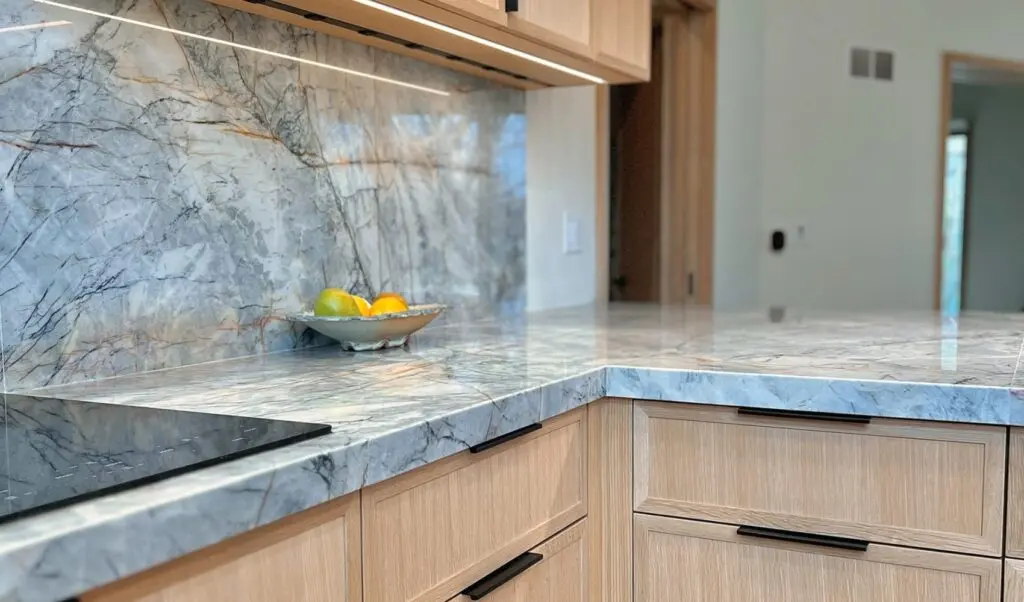
Marble is valued for its elegant veining and distinctive natural appearance. However, its mineral composition and relatively soft surface require special consideration.
When selecting Marble Countertops in Aventura, inspect the slab for visible cracks, repaired areas, and surface inconsistencies.
Natural veining should not automatically be mistaken for structural damage.
Marble can also develop etching when exposed to acidic substances such as lemon juice, vinegar, or certain cleaning products.
Before purchasing, ask about the specific marble variety, its finish, maintenance requirements, and suitability for kitchen use.
Check for Resin Repairs and Surface Treatments
Some natural stone slabs undergo resin treatment during manufacturing to fill pores, stabilise certain areas, or improve the surface appearance.
These treatments are common in parts of the natural stone industry and are not necessarily signs of poor quality.
However, excessive or poorly executed repairs may deserve further inspection.
Look for areas where:
- The colour appears noticeably different.
- The surface has an unusual glossy patch.
- A filled line interrupts the natural pattern.
- The finish looks inconsistent.
Ask the supplier whether the slab has undergone resin filling, reinforcement, or other treatments.
Reliable Countertops Suppliers in Kendall should be able to explain relevant material characteristics and provide available product information.
Inspect the Entire Slab Before Fabrication
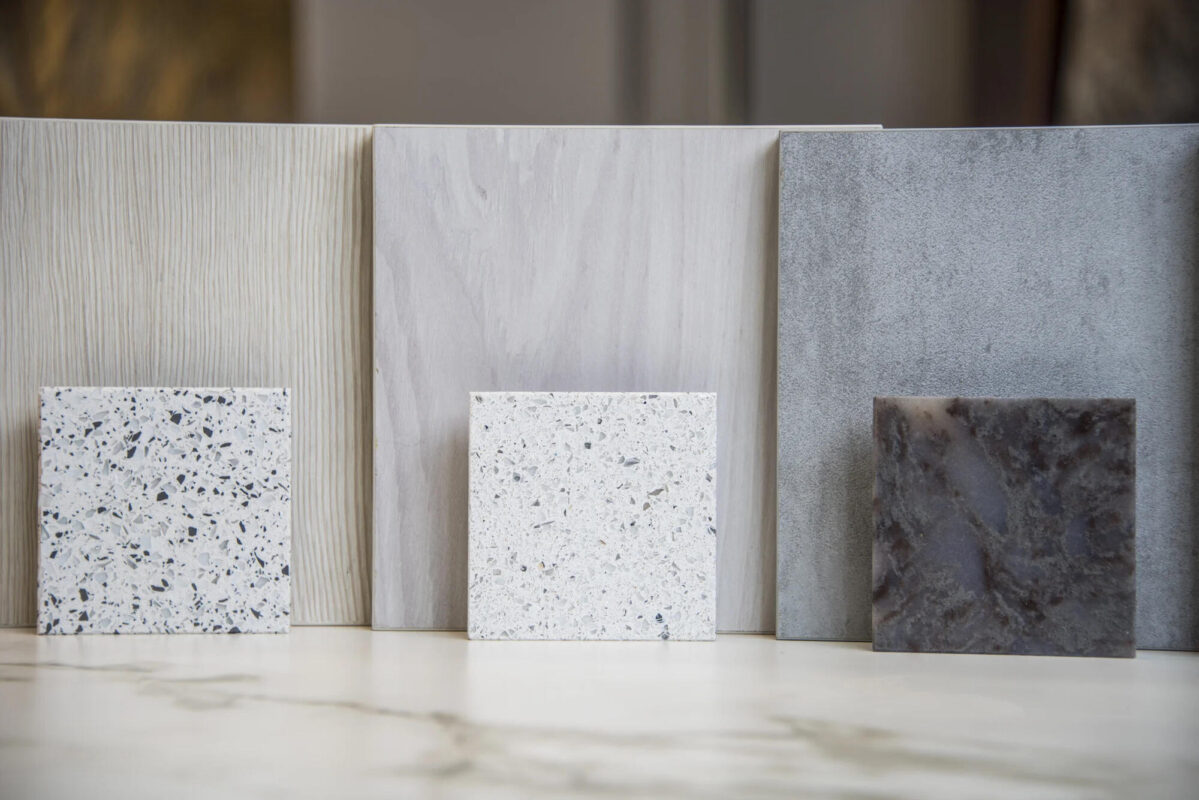
A small countertop sample cannot reveal every characteristic of a full-sized slab.
Natural stone patterns, colour variations, fissures, and repaired areas may differ significantly across the surface.
Before purchasing Wholesale Countertops in Aventura, request an opportunity to inspect the actual slab selected for your project.
Confirm the following:
- The complete slab meets your appearance expectations.
- There are no unexplained cracks or major surface defects.
- The slab has sufficient usable material for your layout.
- Sink and cooktop cutouts can be positioned safely.
- The selected slab matches the material and finish listed in your quotation.
If possible, review the proposed cutting layout with your fabricator.
Ask About Quality Control and Material Information
A countertop supplier's quality control process can influence your purchasing experience.
Before ordering, ask how slabs are inspected, stored, handled, and prepared for fabrication.
Important questions include:
- Has this particular slab been inspected for cracks or damage?
- Are any repairs or reinforcements present?
- Is the material suitable for my countertop design?
- What product information or warranty is available?
- What happens if damage is discovered before fabrication?
At Factory Direct Cabinets & Granite, we emphasise quality control and offer customers access to a broad range of countertop materials.
Why Professional Slab Inspection Matters
Not every countertop defect can be identified through visual inspection alone.
Some structural weaknesses may only become apparent during cutting, transportation, or installation.
Experienced stone fabricators can evaluate slab conditions, identify potentially weak sections, and recommend suitable cutting layouts.
Professional assessment is particularly important when a countertop design includes large unsupported spans, narrow sections, sink openings, or waterfall edges.
Conclusion
Identifying hidden defects in countertop slabs requires more than checking colours and patterns. Buyers should examine the surface, edges, thickness, natural fissures, reinforcement, and any visible repairs before purchasing.
Different materials, including quartz, granite, quartzite, and marble, have unique characteristics that influence how they should be inspected.
At Factory Direct Cabinets & Granite, we help homeowners explore countertop options that combine attractive designs, material quality, and competitive factory-direct pricing.
Frequently Asked Questions
How can I tell if a countertop slab has a hidden crack?
Inspect the slab under bright lighting, examine its edges and back, and look for unusual lines or repaired areas. A professional fabricator can help distinguish natural fissures from potentially damaging cracks.
Are natural fissures in granite considered defects?
Not necessarily. Many granite slabs contain natural fissures that are part of the stone's geological formation. Their structural significance depends on the individual slab.
Do quartz countertops have hidden defects?
Yes. Engineered quartz can occasionally have manufacturing imperfections, surface inconsistencies, or damage from handling and transportation.
Is a resin-filled natural stone slab safe to purchase?
Resin treatments are common in some natural stones. The suitability of a treated slab depends on the type, location, and quality of the treatment.
Should I inspect a countertop slab before paying for it?
Whenever possible, inspect the actual slab before finalising the purchase or approving fabrication. This helps confirm its appearance, condition, and suitability for your project.